

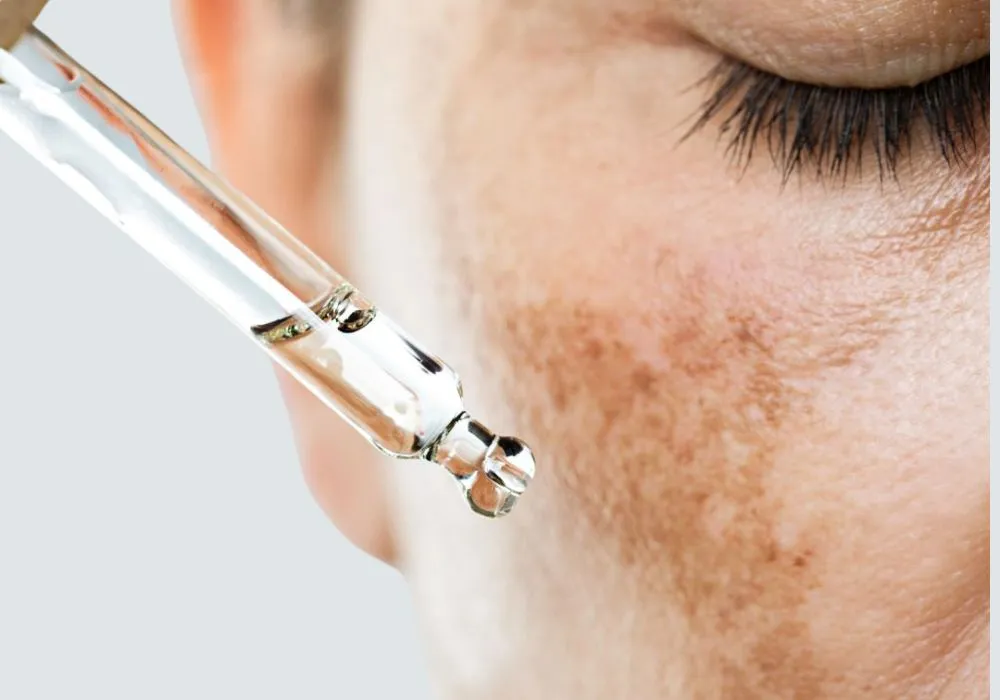
Do you know that your skin tone changes during pregnancy, the commencement of birth control, and even during your period? Pigmentation, a natural process that is influenced by the body’s melanin production, is usually to blame for these alterations.
While pigmentation is something everyone has, hormonal changes can significantly affect how it appears on your skin. In this article, we’ll explore how hormones influence pigmentation, why it happens during significant life events like pregnancy or birth control use, and what you can do to manage it effectively.
Understanding Pigmentation: What It Really Means
Let’s start with the basics before we talk about hormones. Melanin, a natural pigment in your skin, gives it its color. The skin cells called melanocytes produce melanin. In these cells, the color that protects your skin from UV rays is made in a small factory.
However, when your body produces excessive melanin, it can cause dark spots or uneven patches on your face, neck, or other sun-exposed areas — a condition often referred to as hyperpigmentation. On the other hand, hypopigmentation occurs when insufficient melanin is produced, resulting in lighter patches.
The Hormone Connection: Why Your Skin Changes Color
Hormones are chemical signals that regulate various bodily functions, including metabolism, mood, and skin health. Certain hormones — particularly estrogen, progesterone, and melanocyte-stimulating hormone (MSH) — play a key role in controlling pigmentation levels.
When these hormone levels rise or fluctuate, they can “turn on” melanocytes, leading to increased melanin production. This is why you may notice darker spots or patches appearing during hormonal changes such as puberty, pregnancy, or contraceptive use.
Pigmentation During Pregnancy: The “Mask of Pregnancy”
If you’re pregnant or have been before, you might be familiar with melasma, also known as the “mask of pregnancy.” This is a common form of pigmentation triggered by the hormonal surges that occur during pregnancy.
Why It Happens
Elevated estrogen and progesterone levels are a hallmark of pregnancy. These hormones stimulate melanocytes, especially in areas already prone to pigmentation, such as:
- The forehead, cheeks, and upper lip
- The areolas and nipples
- The inner thighs or underarms
Combined with increased sun exposure and genetic factors, these hormonal changes can result in a noticeable darkening of the skin. In most cases, the pigmentation fades gradually after childbirth as hormone levels return to normal. However, for some individuals, the dark patches can persist and may require treatment.
Pigmentation and Birth Control: What You Should Know
Oral contraceptives, patches, and hormonal intrauterine devices (IUDs) are all examples of hormonal birth control treatments that can alter pigmentation. Melasma and other color changes can be triggered by the synthetic estrogen and progesterone found in these products, which mimic the body’s natural hormones.
This condition is often referred to as hormonal pigmentation, and it typically appears on areas frequently exposed to sunlight, such as the face and neck. Even though not everyone who uses birth control experiences this, it’s more common if you already have a family history of pigmentation or spend a lot of time outdoors.
Managing Birth Control-Related Pigmentation
If you notice new dark patches after starting hormonal birth control, here’s what you can do:
- Protect your skin from UV exposure. Sunlight can worsen pigmentation, even when you’re not directly under the sun.
- Consult a dermatologist. They may suggest topical creams that gently reduce pigmentation without irritating your skin.
- Consider alternative contraceptives. For some, switching to non-hormonal methods helps prevent further pigment changes.
Pigmentation from hormonal contraceptives usually lightens over time once the hormonal stimulus is reduced, though it may require targeted treatments.
Other Hormonal Triggers of Pigmentation
While pregnancy and birth control are two major causes, other hormonal factors can also influence pigmentation.
1. Thyroid Disorders
Metabolic processes and cellular functions, including melanocyte activity, are influenced by thyroid hormones. Either hyperthyroidism or hypothyroidism can cause uneven skin tone or variations in pigmentation.
2. Menopause
During menopause, estrogen levels drop a lot, which makes skin thinner, drier, and with uneven coloration. Some women get dark spots or an odd skin tone at this age because their hormones are out of whack and they’ve been in the sun for years.
3. Stress and Cortisol
Chronic stress increases cortisol levels, which can indirectly impact hormone balance and contribute to pigmentation problems. It can also worsen existing melasma or post-inflammatory hyperpigmentation.
Preventing Hormonal Pigmentation
Hormonal changes are a regular part of life, so the best way to avoid them is to protect your skin and limit factors that can trigger them. Here are a few essential plans:
- Apply sunscreen daily. Even indoor light or cloudy weather can trigger pigmentation.
- Avoid harsh skincare products. Over-exfoliating can cause inflammation that worsens pigmentation.
- With the goal of facilitating hormone regulation and enhancing general health, adopt a balanced lifestyle that includes getting sufficient sleep, staying hydrated, and managing stress effectively.
- Seek advice from experts. For individualized guidance on developing a regimen that addresses your unique hormonal requirements and skin type, see a dermatologist.
Frequently Asked Questions (FAQs)
- Will pigmentation from pregnancy or birth control go away on its own?
Most of the time, yes. Often, hormonal coloring subsides when hormone levels return to normal. Even so, some patches may remain and would benefit from more targeted treatments. - Can sunscreen really prevent pigmentation?
Absolutely. One of the most common causes of pigmentation is exposure to the sun, particularly when hormonal fluctuations occur. Daily use of sunscreen is essential. - Are pigmentation creams safe during pregnancy?
Not all are. It’s best to consult your doctor before using any whitening or lightening products while pregnant. - Can men experience hormonal pigmentation too?
Yes, although it’s less common. Men can develop pigmentation related to thyroid issues, stress, or hormonal treatments. - What’s the best way to tell if my pigmentation is hormonal?
A dermatologist can identify the cause by examining your skin and reviewing your medical and hormonal history.
Final Thoughts
Pigmentation is a natural part of how your skin responds to hormonal and environmental changes. Whether it’s during pregnancy, while taking birth control, or due to other hormonal shifts, understanding the root cause helps you take the proper steps toward clearer, more even-toned skin.
Managing pigmentation requires persistence and regular maintenance, especially in sunny regions where ultraviolet radiation is ever-present. Make sure to take care of your skin every day by using sunscreen, eating a balanced diet, and consulting a dermatologist or other professional when necessary.
Keep in mind that the health of your skin expresses the harmony within your body. Restoring your skin’s tone and self-esteem are both possible outcomes of properly managing hormonal pigmentation with the proper knowledge and care.
Livingstone Dermatology – Dr Sean Leong, Consultant Dermatologist
10 Sinaran Drive #09-20
Novena Medical Center
Singapore 307506
https://livingstonedermatology.com.sg/
Whatsapp: +65 8075 266
