

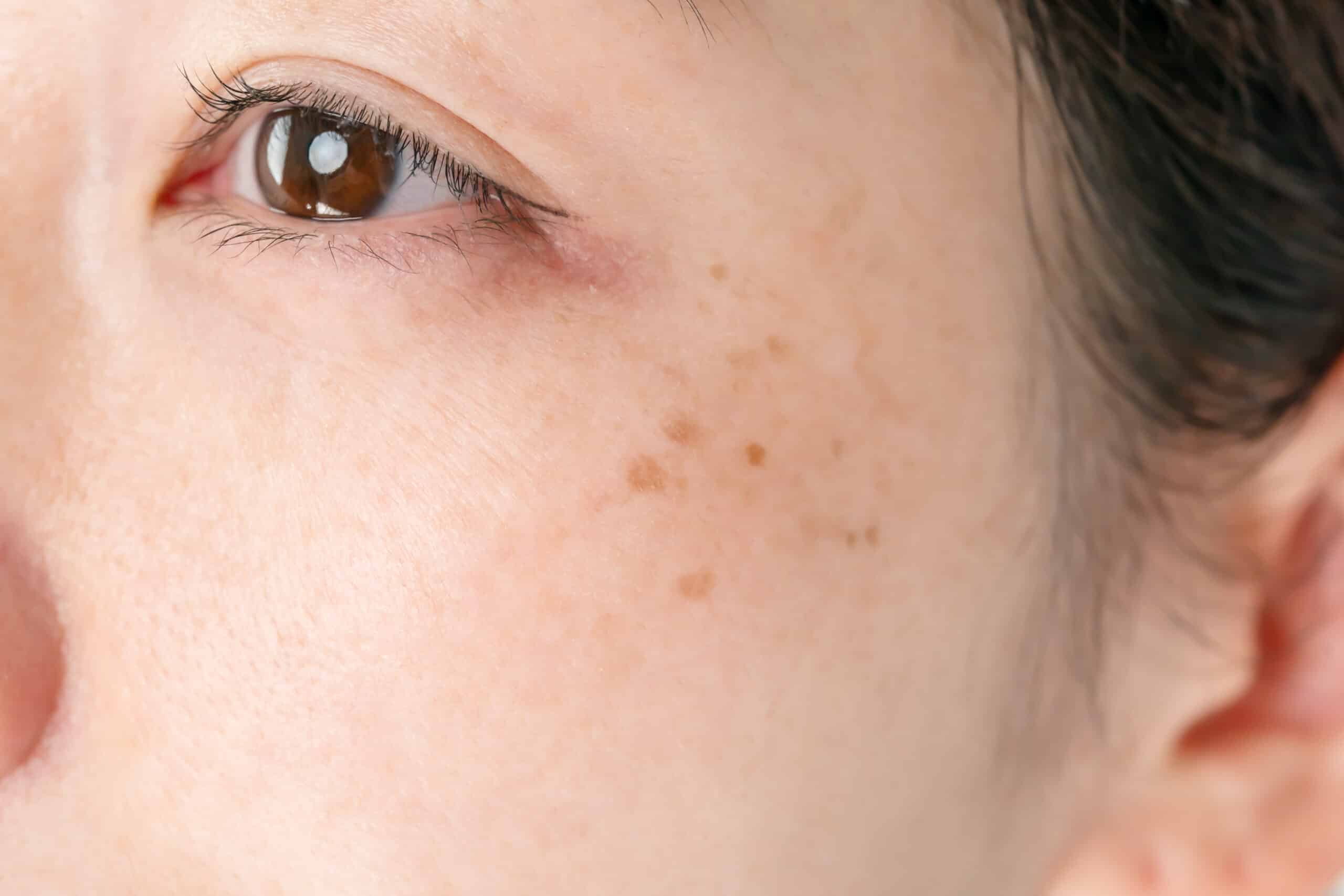
Pigmentation issues, such as melasma, sunspots, post-acne marks, and freckles, are common concerns that affect many individuals, impacting both appearance and confidence. While over-the-counter creams and home remedies may offer temporary relief, they often fail to address the underlying causes or stubborn pigmentation effectively. This is why seeking professional care is crucial.
At a trusted pigmentation clinic Singapore, patients can access advanced laser treatments designed to target excess melanin precisely, delivering more reliable and long-lasting results compared to conventional products. In addition, you can learn here https://onefaceclinic.com/pigmentation-laser-doesnt-improve-singapore/ about how laser treatments work and why some may not improve pigmentation.
Understanding Skin Pigmentation and Causes
Pigmentation occurs when the skin produces excess melanin, the natural pigment responsible for skin color. While some pigmentation is harmless, it can affect self-confidence and may be difficult to treat without professional care. Understanding the root causes of pigmentation is essential before considering treatment options at a skin clinic.
Common causes of pigmentation include:
- Sun exposure: Ultraviolet (UV) rays stimulate melanin production, leading to sunspots and uneven skin tone.
- Hormonal changes: Pregnancy, birth control pills, and hormonal fluctuations can trigger melasma.
- Acne and skin injuries: Post-inflammatory hyperpigmentation occurs after pimples, cuts, or irritation.
- Genetics: Some individuals are more prone to freckles or dark spots due to family history.
- Aging: As we age, the skin may develop age spots or liver spots from cumulative sun exposure.
Identifying the type and cause of pigmentation helps the clinic customize treatments, ensuring better results and reducing the risk of recurrence. A professional consultation can determine whether laser therapy, chemical peels, or a combination of treatments is most suitable for your skin type and pigmentation concerns.
What Laser Treatments Do
Laser treatments work by targeting areas of excess pigment in the skin and breaking it down into smaller particles, which the body can naturally remove. They are designed to improve skin tone, reduce dark spots, and restore a more even complexion with minimal downtime.
Key benefits of laser treatments include:
- Precision targeting: Lasers can focus on specific pigmented areas without affecting surrounding skin.
- Stimulates skin renewal: Many lasers promote collagen production, improving overall skin texture.
- Minimal downtime: Most patients experience only mild redness or swelling that subsides within a few days.
- Customizable intensity: Treatment settings can be adjusted based on skin type and pigmentation severity.
- Effective on stubborn spots: Lasers can reach deeper pigmentation layers that creams and peels may not address.
Laser therapy is typically recommended as part of a series of sessions to achieve optimal results. The choice of laser and treatment plan depends on the type of pigmentation, skin sensitivity, and desired outcomes, making professional assessment an important step before starting therapy.
Types of Laser Treatments
Pigmentation clinics offer different types of lasers tailored to specific skin concerns. Choosing the right laser ensures effective and safe results. Common types include:
- Q-switched Nd:YAG laser: Targets dark spots, freckles, and sunspots.
- Fractional CO2 laser: Improves post-acne scars and uneven skin texture.
- Picosecond laser: Effective for stubborn pigmentation and tattoo removal.
- Alexandrite laser: Often used for lighter skin types to treat pigmentation efficiently.
Each laser works differently, and a professional assessment determines which type is most suitable based on pigmentation severity, skin type, and treatment goals.
What to Expect During a Laser Session
A typical laser session begins with a consultation to assess your skin type, pigmentation severity, and treatment goals. The practitioner may clean the skin and apply a topical numbing cream to minimize discomfort. During the procedure, the laser is carefully directed at the pigmented areas, breaking down excess melanin without affecting surrounding skin.
Most patients describe a mild tingling or snapping sensation during treatment, which is generally well-tolerated. Sessions usually last between 20 to 45 minutes, depending on the size and number of areas being treated.
Multiple sessions are often recommended for optimal results, spaced several weeks apart to allow the skin to heal and regenerate. After the session, mild redness or swelling may occur, which typically subsides within a few days, and patients are advised to follow proper post-treatment care to maintain results.
Safety, Side Effects, and Post-Treatment Care
Laser treatments are generally safe when performed by experienced professionals, but it’s important to follow post-treatment care for optimal results.
Common side effects:
- Redness or mild swelling, usually fading within a few days.
- Temporary darkening of spots before they lighten.
- Mild tingling or warmth during treatment.
- Increased sensitivity to sunlight.
Post-treatment care tips:
- Avoid direct sun exposure and use high-SPF sunscreen.
- Follow a gentle skincare routine to support healing.
- Schedule follow-up sessions as recommended for best results.
Proper care and choosing a qualified clinic help ensure effective, long-lasting results while minimizing risks.
Conclusion
Laser treatments offer an effective solution for a variety of pigmentation concerns, helping to restore an even skin tone and boost confidence. Professional assessment and proper post-treatment care are key to achieving safe and lasting results. To explore personalized treatment options and start your journey to clearer skin, book a consultation at our clinic today:
One Face Clinic – Pigmentation | Melasma Treatment | Acne Singapore
1 Tras Link, #02-01 Orchid Hotel Singapore, Singapore 078867 | +65 6222 2262
