

Melasma is a common pigmentation concern that can appear as brown or greyish patches on the face, often affecting areas such as the cheeks, forehead, nose and upper lip. While it may improve with treatment, melasma can be persistent and may recur, particularly with factors such as sun exposure and hormonal changes. This is why a good consultation should involve more than simply choosing a treatment.
Assessing the type, severity and possible triggers of melasma can help guide a suitable treatment approach for each individual. For those searching for the best melasma doctor Singapore, understanding what to look for during a consultation can be a useful first step. Read more about melasma care and treatment options here https://onefaceclinic.com/how-to-treat-melasma-without-lasers/.
Understanding Your Skin History and Melasma
A good melasma consultation begins with understanding your skin history. Your doctor may ask when the pigmentation first appeared, whether it has changed over time and whether it becomes more noticeable after sun exposure. Previous pregnancies, hormonal changes, medications, skincare products and past pigmentation treatments may also be relevant. It is helpful to share details of any creams, peels, lasers or other treatments you have tried, including whether they improved or worsened the pigmentation.
This information can help the doctor identify possible contributing factors and avoid approaches that may not be suitable for your skin. A detailed discussion also provides a clearer picture of your individual concerns and treatment goals, allowing the consultation to focus on a more appropriate management plan.
Assessing the Type and Severity of Melasma
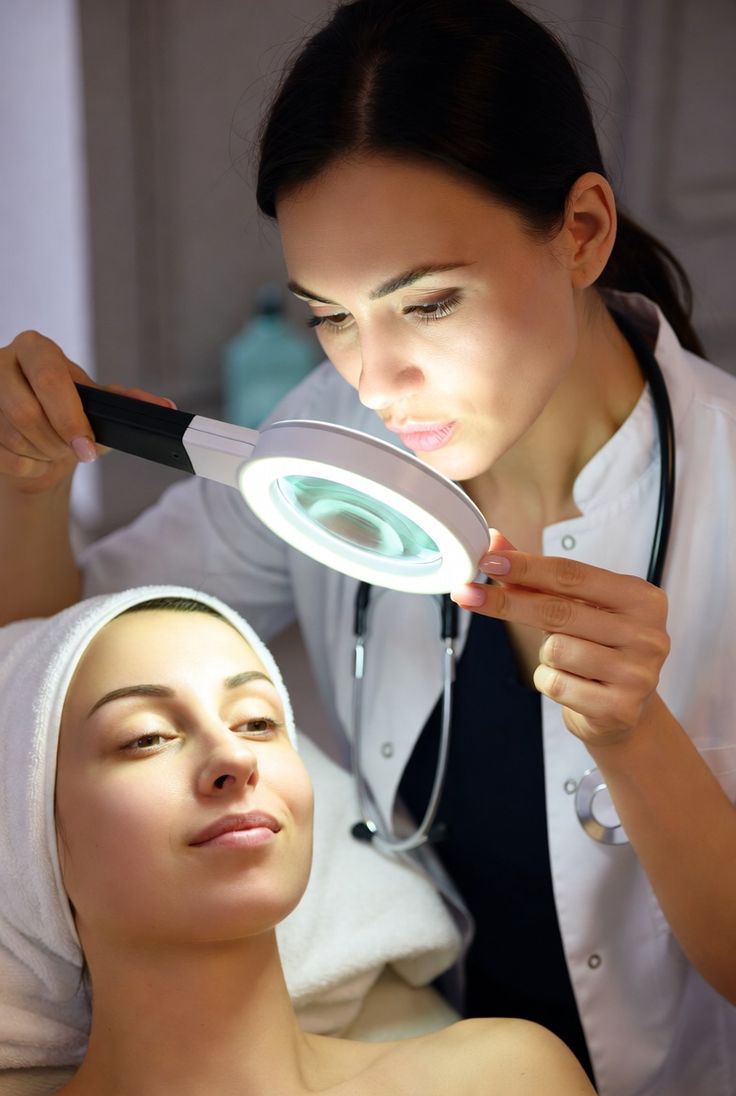
A good melasma consultation should include a careful assessment of the pigmentation rather than relying solely on its appearance. Melasma can vary in colour, distribution and depth, with pigmentation commonly appearing on the cheeks, forehead, nose or upper lip. Your doctor may examine the affected areas closely to assess the pattern and severity of the pigmentation and determine whether it is consistent with melasma or another type of pigmentation concern.
This assessment is important because different skin conditions may require different approaches. Understanding the characteristics of your melasma can help guide discussions about suitable treatment options and what results may realistically be expected. It also provides an opportunity to identify factors that may be contributing to persistent or recurring pigmentation.
Discussing Treatment Options and Expectations
Once your melasma has been assessed, the next step is to discuss treatment options that may be appropriate for your skin and pigmentation. There is no single approach that suits everyone, and treatment should take into account factors such as the type and severity of melasma, previous treatments and individual skin characteristics. Options that may be discussed include:
- Topical skincare: Certain prescription or non-prescription ingredients may help reduce pigmentation and support ongoing management.
- Chemical peels: Selected peels may be considered to improve uneven pigmentation in suitable patients.
- Laser-based treatments: Depending on the individual case, certain laser treatments may be considered as part of a broader treatment plan.
- Oral medication: Medication may be discussed where appropriate, taking into account the patient’s medical history and suitability.
A good consultation should also cover the potential benefits, limitations and possible side effects of each option. It is important to understand that melasma can be persistent and may recur, so treatment may focus on gradual improvement and long-term management rather than a quick fix.
Identifying Factors That May Trigger Or Worsen Melasma
Identifying factors that may trigger or worsen melasma is an important part of a thorough consultation. While the causes of melasma can vary between individuals, certain factors are commonly associated with its development and recurrence. Your doctor may discuss:
- Sun exposure: Ultraviolet (UV) exposure can stimulate pigmentation and make melasma more noticeable.
- Visible light: Exposure to visible light may also contribute to pigmentation in some individuals, particularly those with darker skin tones.
- Hormonal changes: Pregnancy, hormonal treatments and other hormonal fluctuations may play a role in the development of melasma.
- Skincare and cosmetic products: Certain products may irritate the skin and potentially worsen pigmentation.
- Previous treatments: Some procedures or treatments may cause inflammation, which can contribute to post-inflammatory pigmentation in susceptible skin.
Understanding these potential triggers can help shape a more complete management plan. This may include appropriate sun protection, a suitable skincare routine and measures to minimise skin irritation alongside any recommended treatment.
Questions To Ask During Your Melasma Consultation
A consultation is also an opportunity to ask questions and gain a clearer understanding of your pigmentation and treatment options. Rather than focusing only on the procedure itself, consider discussing the following:
- What type of pigmentation do I have?
Understanding whether the pigmentation is consistent with melasma can help determine the most appropriate approach. - What may be contributing to my melasma?
Discussing possible triggers can help identify factors that may be managed alongside treatment. - Which treatment options are suitable for my skin?
Ask why a particular treatment has been recommended and whether there are alternatives. - How long might treatment take?
Melasma often requires gradual improvement, so understanding the expected timeline can help set realistic expectations. - Could the melasma come back?
Discuss the possibility of recurrence and what measures may help maintain results. - What should I do before and after treatment?
Your doctor may provide guidance on skincare, sun protection and other precautions.
Asking these questions can make the consultation more informative and help you feel more comfortable with the proposed treatment plan.
Conclusion
A good melasma consultation goes beyond selecting a treatment. It should involve understanding your skin history, assessing the type and severity of pigmentation, identifying possible triggers and discussing realistic treatment expectations.
Because melasma can recur, a personalised approach can help address both the visible pigmentation and factors that may contribute to its persistence. Want to learn more about your melasma and available treatment options? Get in touch with our specialist to arrange a consultation below:
One Face Clinic – Pigmentation | Melasma Treatment | Acne Singapore
1 Tras Link, #02-01 Orchid Hotel Singapore, Singapore 078867 | +65 6222 2262
