

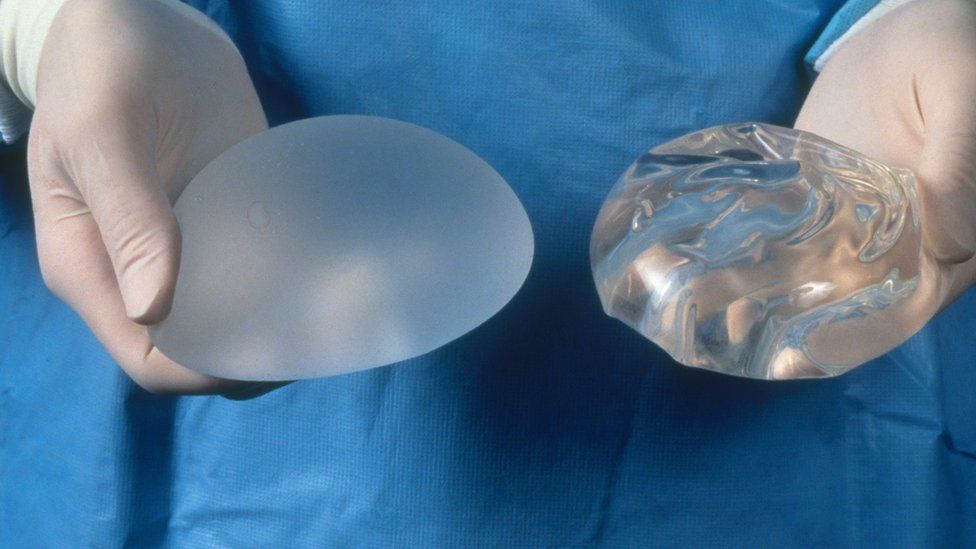
Breast augmentation is among the most popular cosmetic procedures in Singapore, helping women enhance their shape, restore volume, and improve confidence. With modern techniques and experienced surgeons at leading breast implants clinic in Singapore, patients today can achieve natural-looking, safe, and lasting results.
A key decision in this journey is choosing between silicone and saline breast implants, as each affects the look, feel, and overall satisfaction with the outcome. This article explains the main differences between these options and offers insights to help you make an informed choice when considering breast implants Singapore.
Overview of Breast Implants in Singapore
Breast implants are medical devices designed to enhance the size and shape of the breasts. In Singapore, they are commonly used for cosmetic augmentation, post-pregnancy restoration, or correcting asymmetry. Modern breast implants are highly regulated, ensuring safety, quality, and reliable outcomes when performed by experienced surgeons.
There are two main types of implants: silicone and saline. Both are made with a durable silicone shell, but they differ in their filling material, which impacts how the breast looks and feels. Silicone implants are filled with a cohesive gel that closely mimics natural breast tissue, while saline implants are filled with sterile saltwater after insertion.
Singaporean patients benefit from access to high-quality implants and experienced plastic surgeons who tailor procedures to individual body types, lifestyle, and aesthetic goals. Implant size, shape, and placement can be customised, allowing for subtle or more pronounced enhancements depending on personal preference. A careful assessment of your body type, expectations, and the characteristics of each implant type ensures results that are both safe and visually satisfying.
What are Silicone Implants?
Silicone implants are filled with a soft, cohesive gel that closely resembles natural breast tissue. This gives the breasts a smooth, natural feel and shape, making them a popular choice for women seeking subtle, realistic results. They are less prone to rippling and generally provide a more natural contour, especially for those with thinner breast tissue.
While silicone implants offer excellent aesthetics, they tend to be more expensive and require slightly larger incisions for placement. Ruptures are often “silent” and may only be detected through imaging, such as MRI or ultrasound, making regular monitoring important.
What are Saline Implants?
Saline implants consist of a silicone outer shell filled with sterile saltwater after being placed in the breast. This allows for smaller incisions during surgery, as the implant is inserted empty and filled once in position.
One of the main advantages of saline implants is that any rupture is immediately noticeable, as the implant deflates, making it easier to detect and address. They are also generally more affordable than gel-filled options. However, they can feel firmer and may show more rippling, particularly in patients with less natural breast tissue. Despite this, they remain a reliable and widely used option for breast augmentation.
Comparing Silicone vs. Saline Implants
Choosing the right implant involves considering appearance, feel, safety, and practical factors. The table below summarises the key differences between silicone and saline implants:
| Factor | Silicone Implants | Saline Implants |
| Feel & Appearance | Soft, natural, mimics real breast tissue | Firmer, slightly less natural, may ripple |
| Rupture Detection | “Silent,” detected via MRI/ultrasound | Immediate deflation makes rupture obvious |
| Longevity | 10–15 years with regular monitoring | 10–15 years with regular monitoring |
| Cost | Higher | Generally lower |
| Incision Size | Slightly larger | Can be smaller since filled after placement |
Both options are safe and effective when performed by experienced surgeons. Understanding these differences helps you select the implant type that best aligns with your body, lifestyle, and aesthetic goals.
Which Option Is Better for You?
The best implant type depends on your individual anatomy, aesthetic goals, and lifestyle. Women with very little natural breast tissue often prefer silicone implants for a smoother, more natural contour, while those prioritising smaller incisions or lower costs may consider saline implants. Personal preferences regarding feel, shape, and potential maintenance also play an important role in making the choice.
A thorough consultation with a board-certified plastic surgeon is essential. They can assess your breast tissue, body proportions, and desired outcome to recommend the most suitable option. Ultimately, selecting the right implant involves balancing aesthetics, safety, and personal comfort to achieve a natural and satisfying result.
Recovery, Maintenance, and Long-Term Considerations
Recovery after breast implant surgery typically involves a short period of rest and gradual return to normal activities over one to two weeks. Patients may experience mild swelling, bruising, or discomfort, which usually subsides within days. Following post-operative instructions and attending follow-up appointments are essential for a smooth recovery and optimal results.
Both silicone and saline implants are durable but not lifetime devices. Regular check-ups and imaging, especially for silicone implants, help ensure long-term safety. Over time, some patients may require revision or replacement due to natural changes in the body or implant wear.
Conclusion
Choosing the right type of breast implant is a personal decision that balances aesthetics, safety, and lifestyle considerations. Both silicone and saline implants offer safe and effective results when performed by an experienced surgeon, allowing patients to achieve natural-looking enhancement and renewed confidence. For a professional consultation and personalised assessment, visit our clinic today at:
Allure Plastic Surgery – Ptosis Surgery | Breast Augmentation | Double Eyelid Surgery
435 Orchard Rd, #22-04 Wisma Atria, Singapore 238877
Phone: +65 6734 9988
