

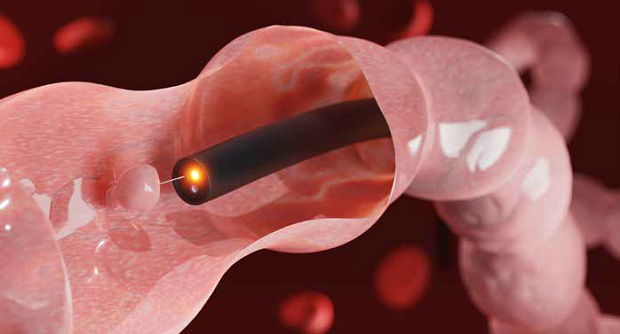
Colorectal cancer is one of the most common and yet highly preventable cancers in Singapore, underscoring the importance of proactive colon health. Many of these cancers begin as small, non-cancerous growths called colon polyps, which can slowly turn malignant if not detected early. Through colonoscopy Singapore, these polyps can be identified and safely removed before they develop into something more serious.
As a procedure that is both diagnostic and preventive, colonoscopy plays a crucial role in safeguarding long-term digestive health. To learn more about how colonoscopy works, you can read further here https://gastrohealth.com.sg/complete-guide-on-colonoscopy-procedure-in-singapore/.
What Are Colon Polyps?
Colon polyps are small growths that form on the inner lining of the colon or rectum. They can vary in size, shape, and type, and while most polyps are harmless, some have the potential to develop into colorectal cancer over time. The two main types of polyps are adenomatous polyps, which carry a higher risk of becoming cancerous, and hyperplastic or inflammatory polyps, which are usually benign.
One of the challenges with colon polyps is that they often do not cause any noticeable symptoms, which means many people may have them without knowing. In some cases, larger polyps can lead to minor bleeding, changes in bowel habits, or abdominal discomfort, but these signs are not always present.
Because polyps are typically silent, regular screening becomes essential, especially for individuals over the age of 50 or those with a family history of colorectal cancer. Understanding colon polyps is an important step in recognizing the risks associated with colorectal health. Detecting them early allows for timely monitoring and management, which can significantly reduce the likelihood of progression to cancer.
Who Should Go for Colonoscopy Screening in Singapore?
Colonoscopy screening is a crucial step in detecting colon polyps and preventing colorectal cancer. While anyone can benefit from regular colon health checks, certain groups are at higher risk and should prioritise colonoscopy Singapore for early detection:
- Individuals aged 50 and above. The risk of colon polyps and colorectal cancer increases with age.
- People with a family history of colorectal cancer.– First-degree relatives with cancer significantly raise personal risk.
- Those with unexplained gastrointestinal symptoms. Persistent abdominal pain, changes in bowel habits, or blood in the stool warrant investigation.
- Patients with a history of polyps or inflammatory bowel disease (IBD). Previous findings increase the likelihood of developing new polyps.
Screening through colonoscopy allows for early detection of potentially harmful polyps, often before any symptoms appear. For many, it is a proactive step in maintaining long-term digestive health and reducing the risk of serious complications.
How Colonoscopy Detects and Removes Polyps
A colonoscopy Singapore allows doctors to examine the colon lining in detail and detect small growths that might otherwise go unnoticed. Key aspects of the procedure include:
- High-definition visualization: a flexible camera captures clear images of the colon
- Polyp detection: even tiny or flat polyps can be identified
- Immediate removal: many polyps can be safely removed during the procedure
- Sedation for comfort: ensures a painless and stress-free experience
- Same-day recovery: most patients can go home shortly after the procedure
This makes colonoscopy both a diagnostic and preventive tool, helping maintain long-term colon health.
What Happens After Polyp Removal
After polyps are removed during a colonoscopy, most patients experience only mild bloating or cramping, which usually resolves within a few hours. Some may notice minor blood in the stool, but this is generally temporary and not a cause for concern.
Polyps are sent to a laboratory for analysis to determine their type and potential risk. Follow-up recommendations depend on the results, and your doctor will advise when the next check or screening should take place to monitor your colon health.
Risks, Safety, and Comfort During Colonoscopy
Colonoscopy is generally a very safe procedure when performed by experienced gastroenterologists, with serious complications being rare. Most patients experience only minor and temporary side effects, such as mild bloating, cramping, or short-term changes in bowel habits.
Sedation is provided to ensure comfort, and options can range from light to deeper sedation based on individual needs. Modern techniques, including high-definition scopes and carbon dioxide insufflation, help reduce discomfort and improve detection.
Why Early Polyp Removal Saves Lives
Early detection and removal of colon polyps is one of the most effective ways to prevent colorectal cancer. By identifying polyps before they become malignant, patients can significantly reduce their risk of developing serious disease. Key benefits include:
- Cancer prevention: Removing polyps stops them from potentially turning into colorectal cancer
- Early intervention: Issues are addressed before symptoms or complications arise
- Peace of mind: Screening and removal provide reassurance about long-term colon health
- Simpler recovery: Early polyp removal is less invasive and safer than treating advanced cancer
Taking proactive steps through colonoscopy empowers patients to protect their digestive health and improve long-term outcomes.
Summary
Early detection and removal of colon polyps is a simple yet highly effective way to protect your colon health and prevent colorectal cancer. Regular colonoscopy screening allows for timely intervention, peace of mind, and long-term digestive wellness.
Taking proactive steps today can make a life-saving difference tomorrow. Ensure your colon health with a professional assessment by our specialist at:
Gastrohealth Clinic @ Gleneagles – Dr Bhavesh Doshi | Gastroscopy | Colonoscopy | Health Screening | EUS and ERCP Singapore
6A Napier Rd, #05-35C Gleneagles Hospital Annexe Block, Singapore 258500
Phone: +65 6355 5773
