

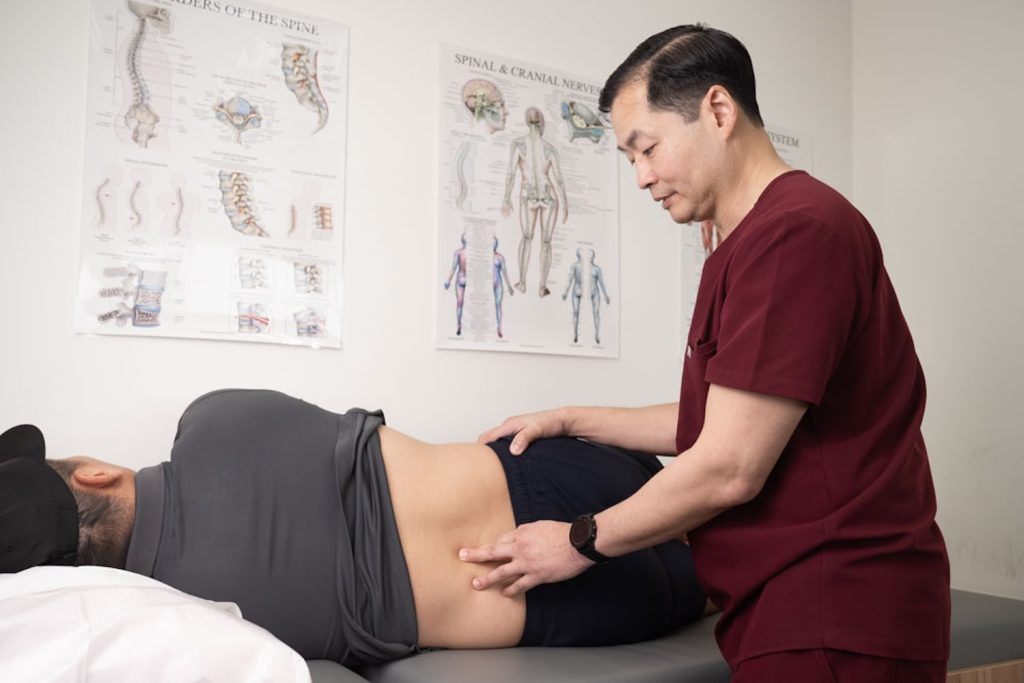
Scoliosis is a condition characterized by an abnormal sideways curvature of the spine, which can affect both children and adults. In Singapore, it is estimated that around 2–3% of the population may experience some degree of scoliosis, though many cases go undiagnosed until noticeable postural changes or discomfort appear. Early detection and proactive management are crucial, as timely intervention can prevent the condition from worsening and improve quality of life.
For those seeking safe and effective options, scoliosis treatment Singapore offers a variety of approaches, with a strong emphasis on non-surgical methods. This article will explore the different scoliosis treatment options available in Singapore, helping patients understand how they can manage their condition without surgery.
Understanding Scoliosis
Scoliosis can develop at any age, though it most commonly appears during childhood or adolescence. There are several types of scoliosis, including idiopathic scoliosis, which has no known cause, congenital scoliosis, resulting from spinal abnormalities at birth, and neuromuscular scoliosis, associated with conditions like cerebral palsy or muscular dystrophy. Common signs include uneven shoulders or hips, a tilted torso, and in some cases, back pain or fatigue after prolonged standing.
Not every scoliosis case requires surgery. Many mild to moderate curves can be managed effectively with non-surgical interventions that focus on strengthening the muscles supporting the spine, improving posture, and alleviating discomfort. By understanding the type and severity of scoliosis early, patients and caregivers can explore appropriate treatment options. In Singapore, scoliosis treatment is widely available through physiotherapy clinics and specialised programmes, offering patients safe, non-invasive solutions to manage their condition and improve overall spinal health.
Physiotherapy and Exercise-Based Approaches
Physiotherapy is a key component of non-surgical scoliosis management in Singapore, focusing on strengthening muscles that support the spine and improving posture. Treatment plans are tailored to each patient’s spinal curvature, age, and overall health.
Key aspects of physiotherapy for scoliosis include:
- Core-strengthening exercises: Stabilize the torso and support spinal alignment.
- Stretching routines: Improve flexibility and relieve muscular tension.
- Posture correction exercises: Teach proper alignment during daily activities to prevent curve progression.
- Balance and coordination training: Enhance body control and spinal stability.
- Breathing exercises: Support posture and improve overall thoracic function.
These interventions benefit both children and adults, helping reduce discomfort and improve mobility. Consistency is essential, as combining professional physiotherapy sessions with home exercises forms an effective scoliosis treatment approach in Singapore that focuses on long-term spinal health without surgery.
Bracing and Supportive Devices
For children and adolescents with moderate scoliosis, spinal braces are a common non-surgical intervention available in Singapore. Bracing does not correct the curve completely but helps prevent further progression while the spine is still growing. Key points about scoliosis bracing include:
- Types of braces: Common options include the Boston brace, TLSO (thoraco-lumbo-sacral orthosis), and custom-fitted designs.
- Wear schedule: Braces are typically worn for several hours daily, often up to 20–23 hours, depending on the severity of the curve.
- Comfort and adjustment: Modern braces are lightweight and adjustable, allowing for better comfort and mobility.
- Monitoring progress: Regular check-ups with a physiotherapist or orthopaedic specialist ensure the brace is effective and fits correctly.
When combined with physiotherapy and exercise programs, bracing forms a safe and effective scoliosis treatment approach in Singapore, supporting spinal health while avoiding surgical intervention.
Pain Management and Lifestyle Adjustments
Even with mild or moderate scoliosis, some patients may experience discomfort or fatigue, especially after prolonged standing or physical activity. Managing pain through non-surgical means is an important part of scoliosis treatment Singapore.
Simple strategies include applying heat therapy to relax tight muscles, practicing low-impact exercises and incorporating regular stretching routines to maintain flexibility. Maintaining proper posture during daily activities, including sitting, working at a desk, or carrying backpacks, can also reduce strain on the spine.
Lifestyle adjustments play a supportive role as well. Maintaining a healthy weight helps decrease pressure on the back, while staying active strengthens muscles that support spinal alignment. Combining these measures with physiotherapy and, when appropriate, bracing, provides a comprehensive approach to managing scoliosis.
Alternative and Complementary Approaches
In addition to physiotherapy, bracing, and lifestyle adjustments, some patients explore complementary therapies to support scoliosis treatment Singapore. While these approaches do not correct spinal curvature on their own, they can help reduce discomfort, improve mobility, and enhance overall well-being.
Common complementary options include:
- Chiropractic care: Focuses on spinal alignment and muscle balance, used as a supportive measure rather than a primary treatment.
- Massage therapy: Helps relieve muscle tension and soreness associated with scoliosis.
- Yoga and Pilates: Improve flexibility, posture, and core strength, complementing physiotherapy exercises.
- Hydrotherapy or aquatic exercises: Reduce spinal load while allowing gentle strengthening and stretching.
When combined with structured physiotherapy and, if needed, bracing, these approaches form a well-rounded, non-surgical scoliosis treatment plan that supports spinal health and comfort.
Choosing the Right Clinic in Singapore
Injuries can occur in many forms and affect people of all ages, often impacting daily activities and overall wellbeing. Some of the most common types include:
- Muscle Strains and Sprains – overstretching or tearing of muscles or ligaments, often caused by sudden movements, heavy lifting, or overuse.
- Joint Injuries – conditions such as dislocations or ligament tears, frequently affecting the knees, shoulders, or elbows.
- Fractures – broken bones resulting from falls, accidents, or sports-related impacts.
- Repetitive Strain Injuries (RSI) – caused by repetitive movements or prolonged static positions, often seen in office workers using computers or manual laborers.
- Sports Injuries – sprains, strains, or impact injuries, sustained during physical activities or athletic training.
- Back and Neck Injuries: From poor posture, lifting incorrectly, or sudden trauma, leading to discomfort or restricted movement.
Contact a qualified physiotherapist in Singapore to develop a tailored plan that addresses your condition, helps restore function, and supports a safe return to daily activities.
Conclusion
Non-surgical scoliosis treatment in Singapore offers safe and effective options for managing spinal curvature, reducing discomfort, and improving posture. Through physiotherapy, bracing, lifestyle adjustments, and complementary therapies, patients of all ages can take proactive steps toward better spinal health.
Early detection and consistent care are key to achieving the best outcomes and maintaining long-term mobility. If you or a loved one are looking for personalised scoliosis treatment, schedule a consultation with a professional physiotherapist in Singapore at:
PhysioActive (Orchard)
Orchard Branch at Camden Medical Centre #11-05
Singapore 248649
+656235 2647
PhysioActive (CBD)
CBD Branch at 160 Robinson Road, #05-03
SBF Center Singapore 068914
+656438 0162
PhysioActive (Jurong)
Jurong Branch at 2 Venture Drive Vision Exchange #02-13/14
Singapore 608526
+656258 5602
PhysioActive (Novena Specialist Center)
Novena Branch at 8 Sinaran Drive Novena Specialist Center #07-12
Singapore 307470
+65 6734 4707
