

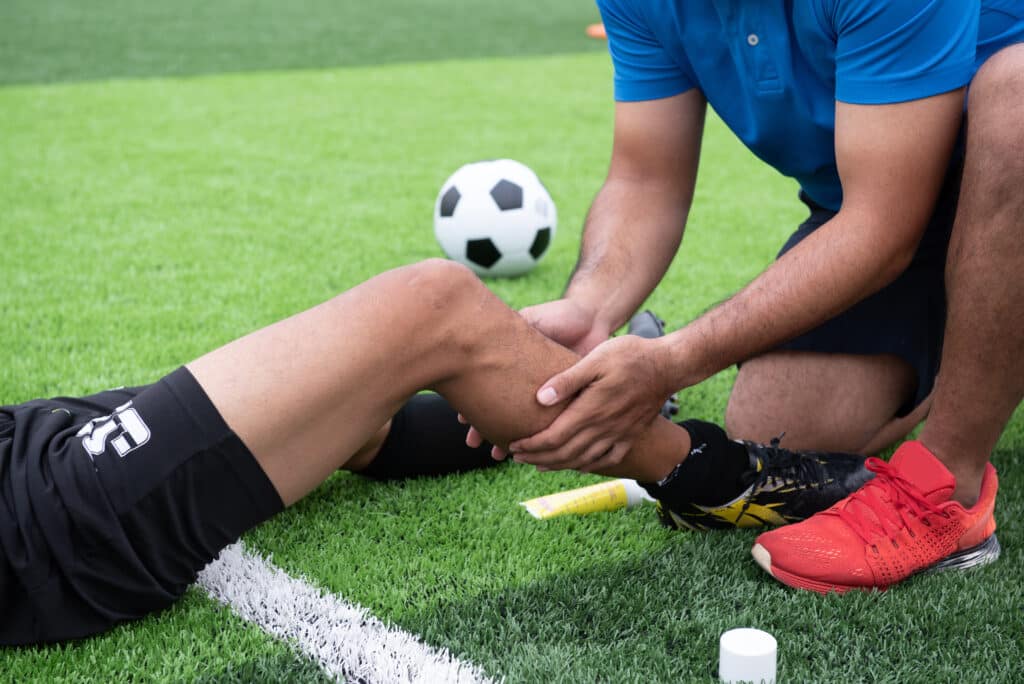
Sports injuries can happen to anyone, from professional athletes, to weekend warriors. When left untreated, even minor injuries can escalate, affecting your performance and daily life. That’s why seeking expert care at a sports injury clinic is crucial. Specialized clinics focus on accurate diagnosis, personalized treatment plans, and effective rehabilitation, ensuring a faster and safer recovery.
In Singapore, finding the right care can make all the difference. If you’re dealing with knee, shoulder, or ankle pain, visiting a trusted sports injury clinic in Singapore ensures you receive professional guidance and treatment tailored to your needs.
Why Specialized Care Matters
When it comes to sports-related injuries, not all clinics offer the same level of expertise. A sports injury clinic provides specialized care that goes beyond standard medical treatment. These clinics are staffed by orthopaedic surgeons, physiotherapists, and rehabilitation specialists who understand the unique demands placed on athletes and active individuals.
Early and accurate diagnosis is key, as untreated injuries can lead to chronic pain, decreased mobility, and long-term complications. Specialized clinics use advanced imaging and evidence-based treatment protocols to ensure precision in managing injuries. Moreover, they design individualized recovery plans that address not only the immediate injury but also underlying factors such as muscle imbalances, flexibility, and strength deficits.
Common Knee Injuries
The knee is one of the most commonly injured joints in sports, due to its complex structure and the high demands placed on it during physical activity. Understanding the typical knee injuries can help athletes recognize symptoms early and seek appropriate care.
- ACL Tears: Often caused by sudden changes in direction or pivoting. Symptoms include a popping sound, swelling, and instability.
- Meniscus Injuries: Damage to the cartilage that cushions the knee, usually from twisting movements. May cause pain, locking, or difficulty fully straightening the leg.
- Patellar Tendonitis: Overuse injury from repetitive jumping or running, presents as pain just below the kneecap.
- Knee Bursitis: Inflammation of the fluid-filled sacs around the knee, can lead to swelling and tenderness.
Proper assessment and targeted treatment are essential to restore function and prevent long-term complications.
Shoulder Injuries
The shoulder is a highly mobile joint, which makes it prone to sports-related injuries. Athletes and active individuals often experience pain or limited movement when the shoulder is affected, making early recognition and care important.
- Rotator Cuff Tears: Common in overhead sports. Symptoms include shoulder weakness, pain during lifting, and difficulty performing daily activities.
- Shoulder Dislocations: Occur when the upper arm bone is forced out of the shoulder socket. Causes intense pain, swelling, and visible deformity.
- Labral Tears: Injury to the cartilage that stabilizes the shoulder joint. May result in catching, popping, or a feeling of instability.
- Shoulder Impingement: Caused by repetitive overhead movements, leads to pain, especially when raising the arm.
Targeted rehabilitation and strengthening exercises are key to restoring full range of motion and preventing recurring injuries.
Ankle Injuries
The ankle is one of the most vulnerable joints in sports, often bearing the brunt of sudden twists, jumps, or impacts. Recognizing common ankle injuries early can prevent long-term issues and help athletes return to activity safely.
- Ankle Sprains: Stretching or tearing of ligaments, usually from rolling the ankle. Symptoms include swelling, bruising, and difficulty bearing weight.
- Achilles Tendon Injuries: Overuse or sudden stress can cause tendonitis or rupture. This often presents with pain at the back of the ankle and limited mobility.
- Fractures: Breaks in the ankle bones from high-impact trauma. Symptoms may include severe pain, swelling, and visible deformity.
- Tendonitis: Inflammation of ankle tendons from repetitive activity. It leads to pain, stiffness, and swelling.
Prompt assessment and tailored rehabilitation are essential for full recovery and reducing the risk of recurrence.
Treatment Approaches
At a sports injuries clinic, managing knee, shoulder, and ankle injuries involves a structured and holistic approach. Key components of treatment include:
- Thorough Assessment: Detailed evaluation of the injury, medical history, and physical examination to identify the root cause.
- Advanced Imaging: Use of X-rays, MRI, or ultrasound to accurately diagnose the severity and extent of the injury.
- Personalized Rehabilitation Plan: Tailored physiotherapy programs focusing on strength, flexibility, and mobility specific to the injured area.
- Pain Management: Techniques such as targeted medications, injections, or therapeutic modalities to reduce discomfort.
- Surgical Intervention if Needed: Minimally invasive or corrective surgery for injuries that do not respond to conservative care.
- Follow-Up and Monitoring: Regular check-ups to track recovery progress and adjust treatment as necessary.
Prevention and Long-Term Care
Taking steps to prevent sports injuries is just as important as treating them. Simple measures like strengthening exercises, proper warm-ups, using the right equipment, and maintaining flexibility can protect your knees, shoulders, and ankles from common injuries. If you do experience pain or discomfort, early professional care makes a big difference. Reach out to a specialist to start your recovery and get back to your sport safely and confidently.
Conclusion
Sports injuries can affect anyone, from professional athletes to active individuals. Early assessment and proper care are key to a faster and safer recovery for knee, shoulder, and ankle injuries. For expert treatment and personalized rehabilitation, contact:
Ray of Health
1 Orchard Blvd, Singapore 248649
Phone: 6235 8781
