

Water pump drives operate under changing loads, pressure requirements, and electrical conditions. Before entering agricultural or industrial applications, these devices require systematic testing. Electrical performance, motor control, protection functions, and operating stability are important areas of evaluation.
Testing also helps buyers understand whether equipment matches their project requirements. When evaluating a vfd manufacturer, procurement teams should examine testing procedures rather than relying only on product specifications. Factory test results provide useful information about equipment behavior under different operating conditions.
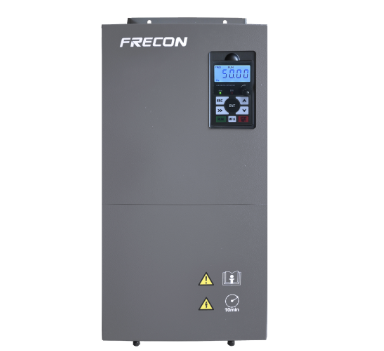
Electrical Performance Testing Before Installation
Electrical testing begins with checking input voltage, output current, and frequency control. Engineers measure these parameters under controlled conditions to identify abnormal electrical behavior. The results help determine whether the drive operates within its specified electrical limits.
During vfd for water pump testing, technicians connect the inverter to a compatible motor. They examine motor current, output frequency, and speed adjustment under different loads. These measurements reveal how the equipment responds to changing pumping requirements.
Insulation resistance and grounding checks are also important. They help identify electrical safety concerns before installation. Manufacturers should follow applicable testing standards and document the results for technical review.
Thermal testing provides further information. Engineers monitor component temperatures during continuous operation. They may also compare temperature changes under different motor loads to identify unusual heating patterns.
How Is Motor Control Stability Evaluated
Water pumping systems often require adjustable motor speeds. Manufacturers therefore examine acceleration, deceleration, and frequency regulation. These tests show whether the drive responds consistently to control commands.
Motor compatibility also affects testing procedures. Different motor types have different operating characteristics. Engineers should verify the drive’s control response with supported motors and examine current behavior during speed changes.
For applications involving a hybrid vfd, power supply conditions require additional attention. Engineers examine how the equipment operates with its supported electrical inputs. Voltage stability and operating transitions are important considerations during evaluation.
Repeated operating cycles provide further evidence of control stability. Technicians run the motor through different speed settings and observe its response. Irregular current fluctuations or unexpected shutdowns may indicate problems requiring further investigation.
Solar Input and MPPT Performance Verification
Solar pump inverters require additional testing because photovoltaic output changes with sunlight intensity. Manufacturers need to examine drive behavior when available solar power increases or decreases.
Maximum Power Point Tracking, commonly called MPPT, is an important testing area. Engineers simulate changing solar input conditions and observe how the inverter adjusts its operating point. Tracking efficiency and response stability are useful performance indicators.
The PV600 Series Solar Pump Inverter from FRECON provides an example of this technology. It supports asynchronous motors (AM) and permanent magnet synchronous motors (PMSM). Its advanced MPPT algorithms have a stated tracking efficiency of up to 99%.
The series supports DC solar power and AC grid power inputs. It also operates without batteries. These characteristics make input compatibility, MPPT response, and battery-free operation relevant areas for technical evaluation.
Protection Functions Under Abnormal Conditions
Protection testing examines how a drive responds when operating conditions exceed specified limits. Common evaluation areas include overcurrent, overvoltage, undervoltage, and overheating, depending on the functions supported by the equipment.
For a vfd for water pump, engineers may also examine pump-related protection functions where applicable. These tests help determine how the drive responds to abnormal operating conditions.
Fault recovery is another consideration. Technicians examine fault indications, reset procedures, and restart behavior. The objective is to verify whether the equipment responds according to its documented control settings.
Protection tests should be performed under controlled conditions. Manufacturers need to record the applied conditions, observed responses, and acceptance criteria. Clear documentation helps buyers understand the equipment’s operating limitations.
What Should Buyers Examine in Factory Test Reports
Factory test reports provide technical evidence for equipment evaluation. Buyers should examine electrical measurements, motor compatibility results, thermal performance, and applicable protection tests.
When comparing a vfd manufacturer, procurement teams can review whether testing conditions reflect their intended applications. Motor specifications, input voltage ranges, and operating loads should receive particular attention.
Solar pumping projects require additional checks. Buyers evaluating a hybrid vfd should review supported DC and AC input conditions, MPPT performance, and operating behavior during changes in available power.
Product documentation also supports technical comparisons. FRECON offers the PV600 series for solar pumping applications, with support for solar and grid power inputs and battery-free operation. Buyers can use these stated characteristics when requesting relevant test records.
What Factory Testing Reveals About Pump Drive Performance
Factory testing reveals how water pump drives behave before installation. Electrical measurements, motor control checks, solar input evaluation, and protection testing each provide information about equipment performance.
For procurement teams, the value lies in connecting these results with actual pumping conditions. Test reports should reflect the intended motor type, power source, and operating environment. Clear technical records help buyers identify limitations earlier and compare equipment using measurable performance rather than general product claims.
