

Many women experience heavy periods, pelvic pain, bloating, or frequent urinary urgency, but may not realise that these could be signs of fibroids. Fibroids are common in Singapore, yet they often go undiagnosed until symptoms become severe or fertility is affected. Understanding the causes, risk factors, and common misconceptions surrounding fibroids can help women make informed decisions about their health.
For those seeking medical support, fibroids treatment in Singapore offers a range of options tailored to individual needs. This article explores the key factors behind fibroids, helping women take proactive steps toward managing their condition effectively.
What Are Fibroids?
Fibroids, also known as uterine leiomyomas, are non-cancerous growths that develop in or around the uterus. They can vary in size, from tiny nodules to large masses that distort the shape of the uterus. Fibroids are classified based on their location: submucosal (beneath the uterine lining), intramural (within the muscular wall), subserosal (on the outer surface of the uterus), and pedunculated (attached by a stalk).
Although fibroids are benign, they can cause a range of symptoms including heavy menstrual bleeding, pelvic pain or pressure, bloating, and urinary frequency. Some women may have fibroids without noticeable symptoms, making regular check-ups important. Understanding the nature of fibroids is the first step in addressing them effectively.
Causes of Fibroids
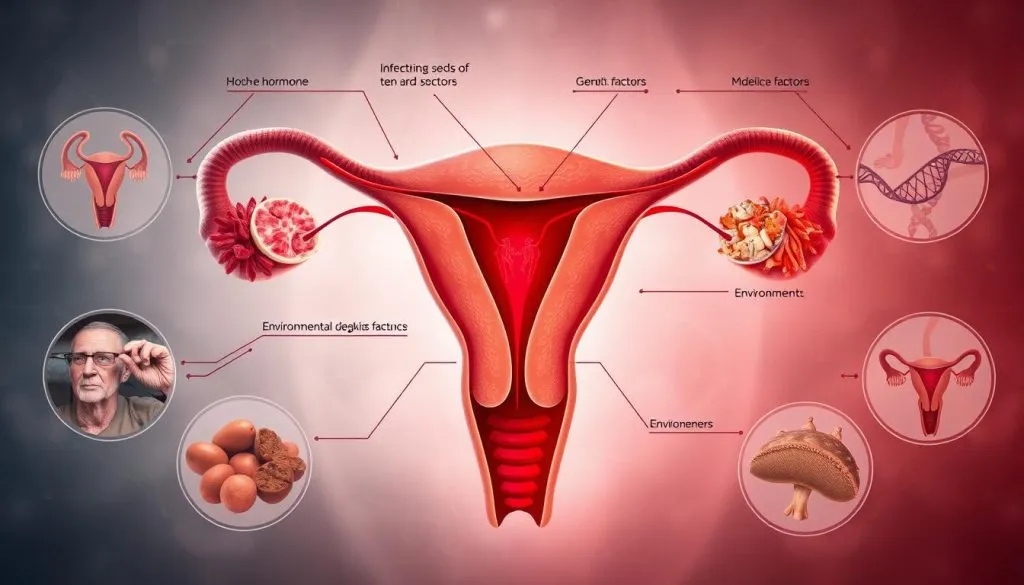
The exact cause of fibroids is not fully understood, but several factors are known to contribute to their development. Hormones, particularly estrogen and progesterone, play a major role, as these hormones can stimulate the growth of fibroid tissue. Genetic factors also influence risk, women with a family history of fibroids are more likely to develop them.
Other contributing factors may include growth factors that affect cell proliferation, as well as certain molecular and cellular pathways still under research. Lifestyle and environmental influences, such as obesity and diet, may also impact fibroid formation. Understanding these causes helps women take a proactive approach. For those seeking medical guidance, discussing fibroids treatment in Singapore with a specialist can provide tailored strategies to manage growth and alleviate symptoms.
Risk Factors for Fibroids
Several factors can increase a woman’s likelihood of developing fibroids. Key risk factors include:
- Age: Fibroids are more common in women between 30 and 50 years old.
- Family history: Having close relatives with fibroids increases your risk.
- Ethnicity: Certain populations may experience a higher prevalence and more severe symptoms.
- Early menstruation: Starting periods at a younger age can raise the likelihood of fibroid development.
- Obesity: Higher body weight and fat levels can contribute to hormone imbalances that promote fibroid growth.
- Medical conditions: Conditions such as high blood pressure or other hormonal disorders may increase risk.
Being aware of these factors helps women monitor their health and seek timely evaluation if symptoms arise.
Common Misconceptions About Fibroids Singapore
There are several common myths about fibroids that can cause unnecessary worry or confusion. Understanding the facts helps women make informed decisions about their health. Key misconceptions include:
- Fibroids always require surgery: Many fibroids can be managed with medication, hormonal therapy, or minimally invasive procedures without surgery.
- Fibroids always cause infertility: While some large or strategically located fibroids may affect fertility, many women with fibroids can conceive naturally.
- Only older women get fibroids Singapore: Fibroids can develop in women of reproductive age, not just in those approaching menopause.
- Fibroids always grow quickly or become dangerous: Fibroid growth varies, and most are benign and manageable with proper care.
Clarifying these myths allows women to understand their options and approach fibroids treatment in Singapore with confidence.
How Fibroids Are Diagnosed
Diagnosing fibroids typically begins with a review of symptoms and a pelvic examination. Women experiencing heavy menstrual bleeding, pelvic pain, bloating, or urinary frequency may be evaluated for fibroids. Imaging tests are essential to confirm the diagnosis and determine the size, number, and location of fibroids.
Common diagnostic tools include:
- Ultrasound: The most widely used method to visualise fibroids and assess their characteristics.
- MRI: Provides detailed imaging for complex or large fibroids, especially before surgery.
- Hysteroscopy: A procedure to examine the uterine cavity, particularly useful for submucosal fibroids.
Early diagnosis allows timely management, whether through monitoring, medical therapy, or fibroids treatment in Singapore, ensuring better symptom control and reproductive outcomes.
When to Seek Medical Advice
It’s important to consult a healthcare professional if you experience symptoms that may indicate fibroids. Women should seek medical advice in the following situations:
- Heavy or prolonged menstrual bleeding that affects daily life or causes anemia
- Persistent pelvic pain or pressure, including lower back or abdominal discomfort
- Frequent urination or difficulty emptying the bladder due to pressure from the uterus
- Bloating or noticeable enlargement of the lower abdomen
- Difficulty conceiving or recurrent pregnancy issues
Early consultation allows for timely assessment, accurate diagnosis, and personalised management. Whether through monitoring, medication, or surgical options, addressing fibroids promptly can help reduce complications and improve quality of life.
Conclusion
Fibroids are a common condition that can affect women’s health, fertility, and overall quality of life. Understanding their causes, risk factors, and dispelling common misconceptions is an important first step in managing symptoms effectively. Early evaluation and personalised care can help women choose the most appropriate management, whether it’s monitoring, medication, or surgical treatment. For women seeking professional care for fibroids, contact our clinic at:
Dr Ma Li Clinic For Women & Advanced Pelvic Surgery – Gynaecologist | Endometriosis Singapore
3 Mount Elizabeth, #09-08 Medical Centre, Singapore 228510
Phone: +65 6022 0933
