

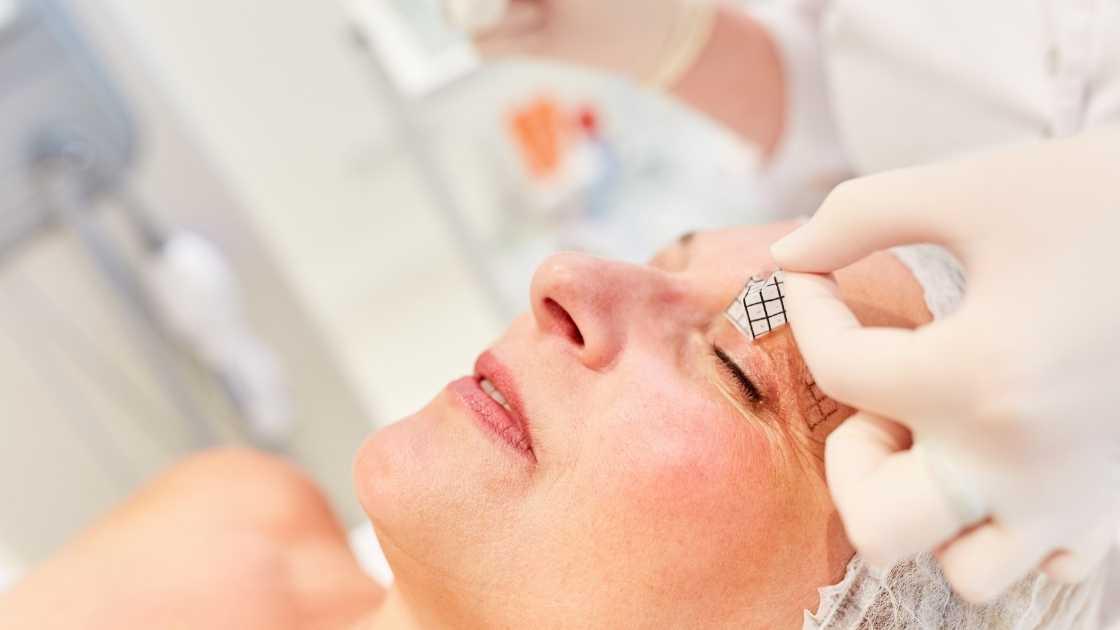
Double eyelid surgery is one of the most commonly performed aesthetic procedures in Asia, particularly in Singapore, where many patients seek to enhance eyelid definition and achieve a more balanced eye appearance. While double eyelid surgery is generally considered safe when performed by a qualified surgeon, it is still a medical procedure with potential risks and complications that should not be overlooked.
Understanding these possibilities is an important part of making an informed decision, rather than focusing solely on the expected cosmetic outcome. This article aims to provide a balanced overview for individuals considering double eyelid surgery in Singapore, helping them approach the procedure with realistic expectations and greater awareness.
Common, Mild and Temporary Side Effects
After double eyelid surgery, it is normal to experience short-term effects as part of the healing process. These are expected reactions of the body and usually do not indicate any complication. Most patients find that these symptoms improve gradually within the first one to two weeks.
Common temporary side effects include:
- Swelling around the eyelids, especially in the first few days
- Bruising that may extend around the upper or lower eye area
- A feeling of tightness, heaviness, or mild discomfort in the eyelids
- Temporary dryness or irritation of the eyes
- Mild sensitivity to light or increased tearing
These effects are typically most noticeable in the early post-operative period and gradually subside as healing progresses. Cold compresses, prescribed eye drops, and adequate rest can help improve comfort during recovery. While these symptoms may feel worrying at first, they are generally part of normal healing and do not affect the long-term surgical outcome.
Infection and Wound Healing Issues
Although uncommon, infection is a potential risk after eyelid surgery, as with any surgical procedure. The risk is generally low when the procedure is performed under sterile conditions and proper post-operative care is followed. However, it is still important for patients to be aware of early warning signs and seek medical attention if concerns arise.
Possible signs of infection or wound healing problems include:
- Increasing redness or warmth around the incision site
- Persistent or worsening pain rather than gradual improvement
- Unusual discharge or pus from the wound
- Swelling that does not improve or suddenly worsens
- Fever or feeling generally unwell
In some cases, minor wound healing issues such as delayed healing or slight wound separation may occur, particularly in individuals with risk factors such as smoking, poorly controlled diabetes, or poor adherence to aftercare instructions. Most minor issues can be managed early with appropriate treatment, which is why follow-up reviews are important during the recovery period.
Asymmetry and Aesthetic Dissatisfaction
One of the more commonly discussed concerns after eyelid surgery is asymmetry, where the crease height or shape may appear slightly different between both eyes. Some degree of asymmetry can occur even in well-performed procedures because natural facial asymmetry already exists in most individuals. In addition, subtle differences in swelling and healing between the two sides can temporarily affect how the eyelids look during the early recovery phase. In many cases, these differences improve as healing progresses and the final result stabilises over several weeks to months.
Another aspect to consider is aesthetic satisfaction. While most patients achieve their desired outcome, a small proportion may feel that the eyelid crease is either too high, too low, or not aligned with their expectations. This mismatch is often related to differences between pre-surgical expectations and post-surgical healing outcomes rather than a technical issue alone. In situations where concerns persist after full healing, revision surgery may sometimes be discussed, but this is typically only considered after allowing sufficient time for tissues to settle completely.
Scarring and Eyelid Fold Irregularities
Scarring is an expected consideration in eyelid surgery, especially in incisional techniques where a small incision is made along the eyelid crease. In most cases, the scar is initially red or slightly raised but gradually fades over several months to become minimally visible within the natural fold of the eyelid. However, healing outcomes can vary between individuals, and some may develop more noticeable scarring or thicker scar lines.
Eyelid fold irregularities, such as uneven creases, multiple folds, or a crease that appears too high or too low, may also occur during the healing process. These issues often improve with time but may occasionally require revision if they persist after full recovery.
Functional Concerns and Rare Complications
Although most patients recover from eyelid surgery without functional issues, there are rare complications that can affect eyelid comfort and eye function. These are uncommon when the procedure is carefully planned and performed, but they remain important to understand as part of informed consent.
In some cases, patients may experience difficulty fully closing the eyes during the early healing phase, particularly if there is temporary tightness from swelling. This can occasionally lead to dry eyes, a sensation of irritation, or a feeling that something is in the eye. Overcorrection is another rare concern, where the eyelid becomes slightly too tight, affecting natural blinking or comfort.
Factors That Influence Risk Level
The risk of complications after eyelid surgery varies between individuals and is influenced by several key factors. Understanding these helps set realistic expectations and supports safer decision-making.
Key factors include:
- Individual eyelid anatomy (skin thickness, fat distribution, natural asymmetry)
- Pre-existing eye conditions such as dry eyes or sensitivity
- Medical conditions like diabetes or impaired wound healing
- Choice of surgical technique and its suitability for the patient
- Surgeon’s experience and precision in planning and execution
- Patient compliance with aftercare instructions and follow-up visits
In general, patients with favourable anatomy, good overall health, and proper post-operative care tend to have smoother recovery and lower risk of complications.
Summary
Eyelid surgery is generally a safe and effective procedure, but like any surgery, it carries potential risks and variations in healing outcomes. Understanding possible side effects, complications, and factors that influence recovery helps patients make more informed and realistic decisions. With proper assessment, appropriate technique selection, and good aftercare, most patients are able to achieve smooth healing and satisfactory results.
If you are considering eyelid surgery or would like a personalised assessment, you may arrange a consultation with our clinic to discuss your goals, suitability, and treatment options in detail. Details below:
Pearl Plastic Surgery, Laser & Scar Clinic (Royal Square): Dr Pearlie Tan
101 Irrawaddy Road, #17-08, Royal Square Medical Centre, Singapore 329565
6 Napier Rd, #05-03 Gleneagles Medical Centre, Singapore 258499
Phone: +65 6592 7880
WhatsApp: +65 9831 8618
Email: [email protected]
