

Gallbladder removal is a common surgical procedure in Singapore, medically known as cholecystectomy, and is most often performed to treat gallstones that cause persistent abdominal pain, inflammation, or infection. For many patients, symptoms such as right upper abdominal discomfort, nausea after meals, or recurrent attacks of pain can significantly affect daily life, making surgery the most effective long-term solution.
It is also one of the most frequently performed abdominal operations, and in most cases is carried out using minimally invasive keyhole techniques, which generally allows for faster recovery and less postoperative discomfort. While patients often have concerns about the procedure, gallbladder removal is widely regarded as a safe and well-established surgery when performed for appropriate medical reasons.
For those also trying to understand the financial aspect of treatment, you can read more about gallbladder removal cost, which may vary depending on hospital type, surgical approach, and individual clinical needs.
When Surgery Becomes Necessary
Gallbladder removal is typically recommended when gallstones or gallbladder disease begin to cause recurring or significant symptoms. One of the most common indications is biliary colic, where patients experience intermittent but severe pain in the upper right abdomen, often after fatty meals. In some cases, the pain may radiate to the back or shoulder and can be associated with nausea or vomiting.
Surgery is also advised when complications develop, such as acute cholecystitis (inflammation of the gallbladder), infection, or blockage of the bile ducts. These conditions can become more serious if left untreated and may require urgent medical attention. In addition, gallbladder removal may be considered for patients with gallbladder polyps that are increasing in size or showing suspicious features on imaging.
Pre-Surgery Preparation
Before gallbladder removal surgery, patients will go through a structured pre-operative assessment to ensure they are safe and ready for the procedure. This helps the surgical team plan appropriately and minimise risks during the operation.
Key steps typically include:
- Medical consultation: Review of symptoms, medical history, and indication for surgery
- Blood tests: To assess liver function, infection markers, and overall health
- Imaging scans: Usually an abdominal ultrasound to confirm gallstones or gallbladder disease
- Medication review: Some medications, especially blood thinners, may need adjustment before surgery
- Anaesthesia assessment: Evaluation by the anaesthetist to ensure suitability for general anaesthesia
On the day of surgery, patients are admitted to the hospital or day surgery centre, where final checks are performed. Vital signs are recorded, consent is confirmed, and the surgical plan is reviewed before proceeding with gallbladder removal.
Arrival at the Hospital and Anaesthesia
On the day of gallbladder removal surgery, patients are usually admitted to the hospital or day surgery centre a few hours before the procedure. Final preparations are completed, including checking vital signs, confirming fasting status, and reviewing consent. The surgical and nursing team will also ensure that all pre-operative assessments are in order.
Before the operation begins, the patient is brought to the operating theatre where general anaesthesia is administered. This means the patient will be fully asleep and will not feel any pain or be aware of the procedure. An anaesthetist continuously monitors heart rate, blood pressure, oxygen levels, and breathing throughout the surgery to ensure safety. Once the patient is fully anaesthetised, the gallbladder removal procedure begins.
The Surgical Procedure (Laparoscopic Gallbladder Removal)
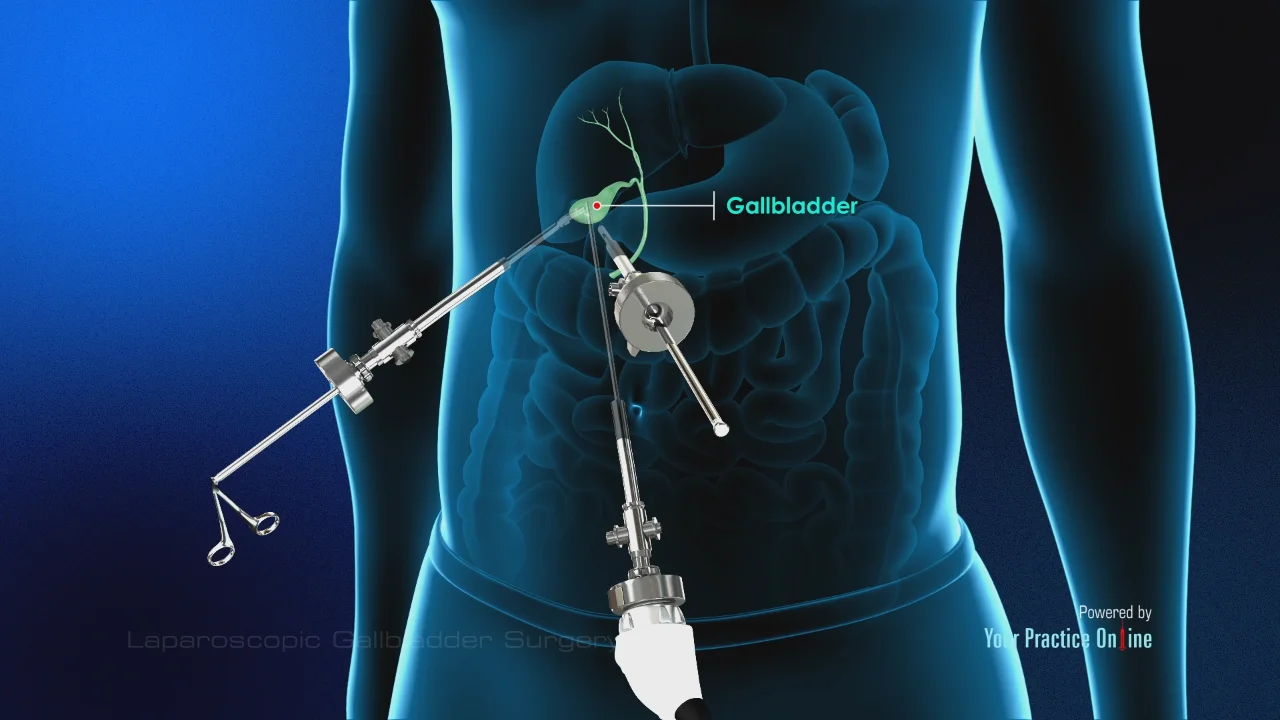
Most gallbladder removal surgeries in Singapore are performed using a laparoscopic (keyhole) technique. Small incisions, usually 3 to 4, are made in the abdomen to allow access for a camera and surgical instruments. The abdomen is gently inflated with carbon dioxide gas to create space and improve visibility.
A laparoscope, which is a thin camera, is inserted to guide the surgeon in real time. The gallbladder is carefully separated from surrounding tissues and the cystic duct and artery are securely clipped and divided. Once detached, the gallbladder is placed in a small retrieval bag and removed through one of the incisions. After confirming there is no bleeding or leakage, the instruments are removed and the small cuts are closed with stitches or surgical tape.
What Happens Immediately After Surgery
After gallbladder removal, patients are moved to the recovery area where they are closely monitored as they wake up from general anaesthesia. It is normal to feel drowsy, slightly groggy, or experience mild discomfort in the abdomen or shoulders due to the gas used during surgery. Nurses will regularly check vital signs such as blood pressure, heart rate, and oxygen levels to ensure stable recovery.
Once fully awake, patients are encouraged to start gentle movement to support circulation and reduce the risk of blood clots. Depending on the individual case, many patients are able to go home on the same day or after a short overnight stay in hospital.
Recovery at Home and What to Expect
After discharge, recovery from gallbladder removal is generally smooth for most patients. Mild abdominal discomfort, bloating, or shoulder ache may persist for a few days but usually improves gradually with simple pain relief medication. Small incision sites should be kept clean and dry, and patients are often advised to avoid strenuous activity or heavy lifting for about one to two weeks.
Most people are able to return to light daily activities within a few days, depending on how they feel. Diet can usually be resumed progressively, starting with light meals before returning to normal foods. Some patients may notice temporary changes in bowel habits, which typically settle as the body adapts.
Cost of Gallbladder Removal in Singapore
The cost of gallbladder removal in Singapore varies depending on whether the procedure is done in a public hospital or private hospital, as well as the complexity of the surgery and length of stay. In general, for private hospitals, a straightforward laparoscopic gallbladder removal may cost approximately S$12,000 to S$25,000+ before insurance or subsidies. More complex cases or those requiring longer hospital stays can exceed this range.
In public hospitals, subsidised rates are significantly lower, and after government subsidies and eligible MediSave usage, the out-of-pocket cost may range roughly from S$1,500 to S$5,000+, depending on ward class and individual circumstances. Insurance coverage and MediSave claims can substantially reduce the amount patients ultimately pay, but the exact amount depends on individual policy limits and eligibility.
Conclusion
Gallbladder removal is a commonly performed procedure in Singapore, most often recommended for patients with symptomatic gallstones or related complications. When done using a laparoscopic (keyhole) approach, it is generally safe, minimally invasive, and associated with a smooth recovery for most patients.
If you are experiencing recurring upper abdominal pain, bloating, or suspected gallbladder issues, a medical assessment in our clinic can help determine the most appropriate treatment option for your condition. Details below:
Dr Lee Chin Li – Lee Surgery and Endoscopy | Colorectal Surgery | Gallbladder Surgery Singapore
Phone: +65 8952 6327
Gleneagles Medical Centre
Lee Surgery and Endoscopy
6 Napier Road, #04-16, Singapore 258499
Mount Elizabeth Medical Centre (Orchard)
Dr Lee @ KYM Surgery
3 Mount Elizabeth, #12-01, Singapore 228510
Farrer Park Medical Centre
Dr Lee @ KYM Surgery
1 Farrer Park Station Road, #13-05, Singapore 217562
