

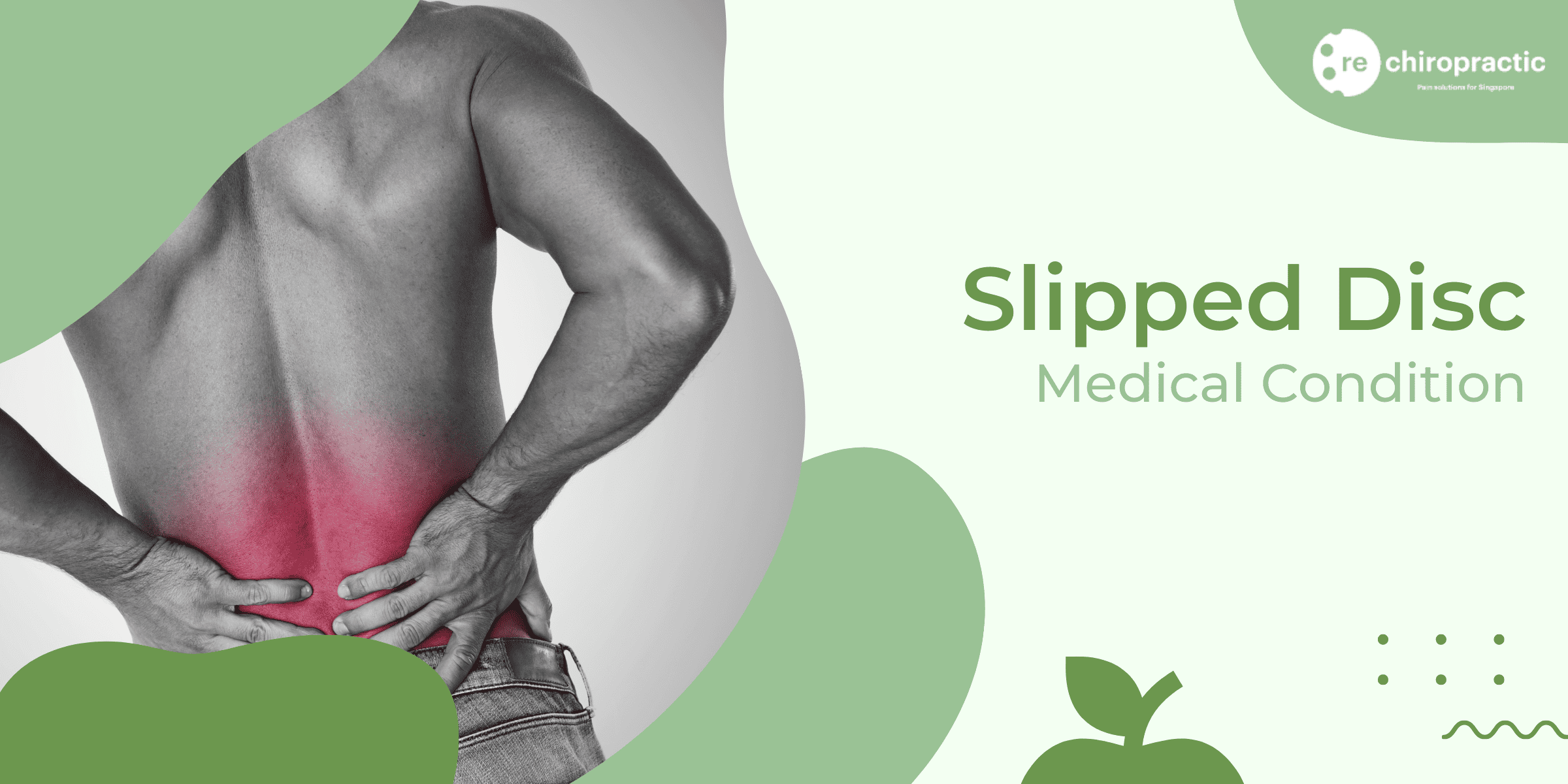
A slipped disc, also known as a disc herniation, occurs when the soft cushion between the bones of the spine bulges or leaks out, irritating nearby nerves. This can lead to pain and discomfort that extends beyond the back itself.
In Singapore, slipped disc problems are increasingly common among working adults due to long hours of sitting, poor posture, and work-related strain, as well as among older individuals as part of age-related spinal wear and tear. Common symptoms include persistent lower back pain, sharp or shooting pain down the leg, numbness, tingling sensations, or even weakness in the affected limb.
While many people initially rely on rest or painkillers, these measures may not address the underlying cause of the pain. This is where a pain specialist Singapore clinic plays an important role, offering targeted, non-surgical strategies. Consulting a pain specialist in Singapore allows for a more precise and comprehensive approach to managing slipped disc pain beyond temporary symptom relief.
Why Slipped Disc Pain Can Persist
Slipped disc pain can often last longer than expected because the issue involves not just pressure on the spine, but also ongoing nerve irritation and inflammation. When a disc presses against a nearby nerve, even simple movements can trigger sharp pain, numbness, or tingling that radiates down the leg. In some cases, the disc may gradually heal, but the surrounding nerves remain sensitive, causing recurring or chronic discomfort.
This explains why rest, over-the-counter painkillers, or basic massage may only provide temporary relief. Without addressing the underlying nerve irritation, pain can continue to interfere with daily activities such as sitting, walking, or bending. Understanding why the pain persists helps patients realise when a more targeted approach, guided by a pain specialist in Singapore, may be necessary.
Assessment by a Pain Specialist Singapore Clinic
A comprehensive assessment is the first step in effectively managing slipped disc pain. When you consult a pain specialist in Singapore, the evaluation goes beyond simply identifying where it hurts. It involves a detailed review of your medical history, lifestyle factors, and daily activities that may contribute to spinal stress. The specialist will perform a physical examination to assess nerve function, muscle strength, and range of motion.
Imaging tests, such as MRI or CT scans, may be reviewed to pinpoint the exact location and severity of the disc herniation. This careful analysis helps differentiate slipped disc pain from other conditions like muscle strain, joint arthritis, or spinal stenosis. By identifying the precise source of the pain, a pain specialist Singapore clinic can create a personalised treatment plan that targets the root cause.
Non-Surgical Pain Management Options
For many patients with a slipped disc, surgery is not the first step. A pain specialist often recommends a combination of non-surgical treatments to relieve discomfort, reduce inflammation, and improve mobility. These approaches aim to address the root cause of pain while promoting healing and preventing recurrence.
Common non-surgical options include:
- Targeted Medications: Anti-inflammatory drugs, muscle relaxants, or nerve pain medications to control symptoms.
- Physiotherapy and Exercise Therapy: Guided exercises to strengthen core muscles, improve posture, and reduce spinal stress.
- Lifestyle Modifications: Ergonomic adjustments at work, proper lifting techniques, and activity management to prevent flare-ups.
- Heat or Cold Therapy: Short-term relief to reduce inflammation and ease muscle tension.
- Pain Education: Learning strategies to manage pain safely and avoid movements that aggravate the disc.
By combining these methods, a pain specialist Singapore clinic can offer personalised care that improves daily function and helps patients regain a more active, pain-free lifestyle without the need for surgery.
Interventional Treatments for Slipped Disc Pain
When non-surgical methods are not enough to control pain, a pain specialist Singapore may recommend minimally invasive interventional procedures. These treatments target the exact source of discomfort, providing faster relief while avoiding major surgery.
Common Interventional Options
- Epidural Steroid Injections: Deliver medication directly around the affected nerve to reduce inflammation and relieve leg or back pain.
- Nerve Root Blocks: Temporary numbing of irritated nerves to alleviate pain and help identify which nerves are causing symptoms.
- Facet Joint or Medial Branch Blocks: Targeted injections to reduce pain from spinal joints that may contribute to the overall discomfort.
- Radiofrequency Ablation (RFA): Uses heat to disrupt pain signals from affected nerves for longer-lasting relief in selected cases.
These procedures are usually performed under imaging guidance for precision and safety.
When Surgery May Not Be Necessary
Many patients with a slipped disc can achieve significant relief without undergoing surgery. A pain specialist focuses on managing symptoms, improving function, and promoting natural healing whenever possible.
Targeted Non-Surgical Care
- Pain Management: Medications, physiotherapy, and interventional procedures can effectively control pain.
- Restoring Function: Gradual exercise and posture correction strengthen supporting muscles, reducing spinal stress.
- Preventing Recurrence: Lifestyle and ergonomic adjustments help avoid flare-ups and further disc injury.
Collaboration with Other Specialists
If conservative care is insufficient, a pain specialist works closely with orthopaedic or spine surgeons to determine the safest surgical options. This ensures that surgery is considered only when truly necessary and that patients receive a coordinated, multidisciplinary approach to care.
Benefits of Early Pain Specialist Intervention
Early consultation with a pain specialist Singapore clinic can help patients manage symptoms more effectively, reduce reliance on painkillers, and potentially avoid surgery altogether.
Recovery, Follow-Up, and Long-Term Pain Control
Recovery and long-term management are key components of slipped disc care. After initial pain relief through medications, physiotherapy, or interventional procedures, patients are guided through a structured rehabilitation plan designed to strengthen core muscles, improve flexibility, and restore spinal stability.
Regular monitoring ensures that any flare-ups or changes in symptoms are addressed early, preventing minor issues from becoming chronic problems. Lifestyle adjustments, including ergonomic improvements at work, proper lifting techniques, and activity pacing, play an essential role in supporting spinal health and reducing the risk of recurrence.
Follow-up care with a pain specialist in Singapore helps maintain progress and ensures that treatment remains personalised. Patients are educated on safe exercises, posture habits, and strategies to manage pain effectively at home. With ongoing guidance, many individuals regain normal function, enjoy reduced discomfort, and experience a better quality of life without the need for surgery.
Conclusion
Managing slipped disc pain effectively starts with timely and targeted care. By working with a pain specialist in Singapore, patients can explore personalised treatment options that reduce discomfort, improve mobility, and support long-term spinal health. Visit our pain specialist clinic at:
Total Pain Specialist Clinic
Farrer Park Station Rd, #10-10 Farrer Park Medical Centre, Singapore 217562
Phone: +65 8908 1406
