

Seasonal spikes in vector-borne diseases present massive diagnostic hurdles for clinical laboratories worldwide. Mosquito-borne pathogens frequently circulate in identical geographic regions, sharing primary vectors like Aedes mosquitoes.
Patients presenting at healthcare facilities often exhibit indistinguishable febrile illnesses, body aches, and skin rashes. Accurately identifying the precise etiology is critical for effective clinical management and epidemiological monitoring.
Public Health Surveillance and the Limits of Symptom-Based Diagnosis
Public health authorities track these epidemiological shifts closely to prevent widespread community transmission. When multiple viral strains co-circulate during warm weather months, clinical diagnosis becomes highly unreliable based solely on symptoms.
Healthcare providers require dependable laboratory data to initiate appropriate patient care pathways immediately. Early detection prevents complications and ensures that medical resources are allocated efficiently across affected regions.
Limitations of Traditional Single-Pathogen Detection
Relying on traditional single-pathogen detection methods during peak epidemic periods introduces severe operational delays. When clinicians test for only one pathogen at a time, sequential workflows consume precious time and clinical specimens.
This piecemeal strategy can delay appropriate intervention protocols and increase diagnostic costs significantly for healthcare systems. Comprehensive screening strategies are therefore essential to navigate complex multi-virus environments effectively. Routine arbovirus testing demands streamlined protocols that eliminate guesswork and reduce unnecessary reagent consumption.
Laboratories that adhere strictly to single-target assays often find themselves overwhelmed by surging sample volumes. Technicians struggle to maintain rapid turnaround times when managing multiple disparate testing platforms for related viral infections.
Consolidating assays into a unified protocol reduces hands-on manipulation and minimizes the potential for cross-contamination. Operational efficiency directly translates into better patient outcomes and enhanced institutional preparedness during crisis situations.
The Case for Multiplex PCR in Arbovirus Testing
Advanced laboratories increasingly transition toward consolidated workflows to handle overwhelming seasonal sample backlogs. A reliable Multiplex PCR Test for Zika, Dengue & Chikungunya allows molecular technicians to screen for multiple distinct viral targets in a single reaction well.
Simultaneous detection prevents missed diagnoses when patients carry co-infections or present with atypical clinical features. This unified approach maximizes diagnostic yield while preserving limited clinical samples for secondary verification tests.
Analytical sensitivity remains a paramount requirement when detecting low viral loads during early infection stages. Modern multiplex configurations incorporate optimized primer-probe sets designed to achieve exceptional detection limits without compromising specificity.
Maintaining high analytical standards ensures that laboratories generate trustworthy results even when processing challenging clinical specimens. Precision engineering in assay design underpins the reliability of contemporary molecular diagnostics.
Flexible Specimen Compatibility for Diverse Clinical Presentations
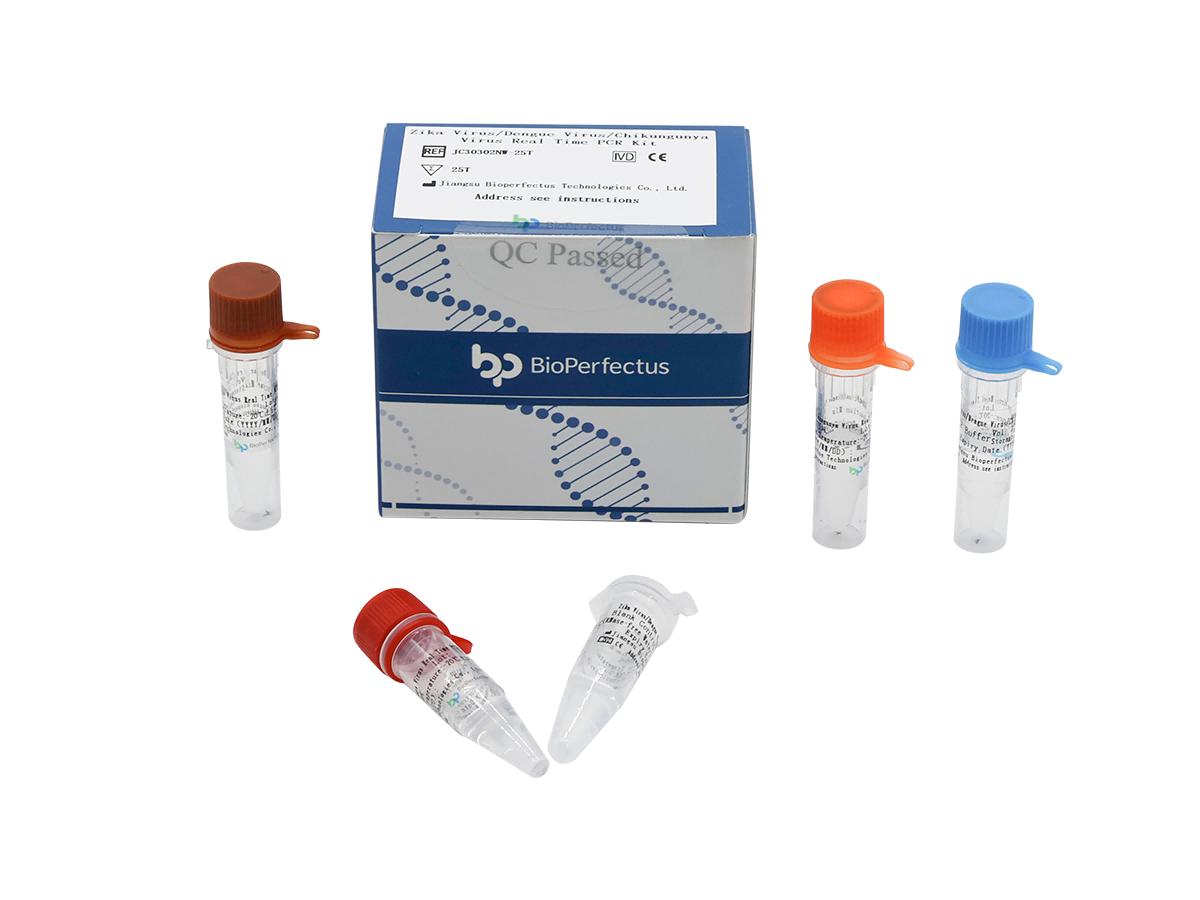
Selecting molecular assays that accommodate diverse sample types provides substantial flexibility for attending physicians and laboratory directors. The Zika Virus / Dengue Virus / Chikungunya Virus Real-Time PCR Kit supports various biological matrices including human serum, EDTA whole blood, and cerebrospinal fluid.
Furthermore, urine and amniotic fluid specimens can be processed specifically for targeted viral RNA detection. BioPerfectus engineered this robust assay to handle a low sample input volume of five microliters per reaction.
Clinical flexibility regarding specimen collection allows healthcare workers to adapt to varying disease manifestations in patients. Neurological manifestations or persistent viral shedding in distinct body fluids require specialized diagnostic compatibility.
Assays that validate multiple specimen types empower clinicians to choose the most appropriate diagnostic material based on individual patient presentation and symptom duration.
High-Throughput Performance and Operational Readiness
Managing high sample volumes during seasonal outbreaks requires instrumentation that delivers rapid turnaround times without compromising analytical accuracy. High-throughput real-time PCR systems process ninety-six tests within seventy-nine minutes, ensuring timely results for critical care units. Built-in internal process controls safeguard every analytical run against extraction failures or enzymatic inhibition.
Continuous technological enhancements support global reference laboratories through scalable automation and rigorous quality manufacturing standards. Effective arbovirus testing relies heavily on such dependable technological foundations to maintain epidemiological safety.
Utilizing validated multi-target assays ensures laboratories remain fully prepared for sudden public health emergencies. Standardizing thermal profiles across multiple assay types simplifies daily scheduling and reduces operator training requirements across shifts. Reagent stability and straightforward storage requirements further ease inventory management for hospital procurement officers.
Operational readiness depends on robust supply chains and reliable product performance. A reliable Multiplex PCR Test for Zika, Dengue & Chikungunya fulfills these core laboratory requirements.
Strategic Procurement and Institutional Preparedness
BioPerfectus remains dedicated to empowering molecular diagnostics with innovative tools designed for complex infectious disease challenges. Collaborative networks between manufacturers and clinical laboratories foster continuous improvement in diagnostic sensitivity and user experience.
Institutional leadership must prioritize scalable solutions that adapt easily to fluctuating epidemiological demands throughout the year. Strategic foresight in assay procurement safeguards public health infrastructure against future outbreaks.
Comprehensive arbovirus testing ultimately protects vulnerable populations by enabling swift and accurate clinical decisions during peak transmission seasons. Molecular professionals who invest in advanced multiplex solutions position their institutions at the forefront of clinical excellence and disease surveillance. Future preparedness rests on the consistent adoption of verified, high-performance diagnostic technologies.
Completing the Modern Diagnostic Arsenal
Deploying an advanced Multiplex PCR Test for Zika, Dengue & Chikungunya completes the modern diagnostic arsenal required for effective outbreak containment. Reference centers benefit immensely from streamlined workflows that consolidate three distinct viral targets into one single assay run. Precision molecular testing minimizes ambiguous findings and accelerates public health reporting timelines.
BioPerfectus continues to champion molecular innovation by delivering dependable diagnostic solutions for emerging vector-borne health threats. Healthcare systems worldwide rely on robust scientific backing and stringent quality control standards to manage seasonal epidemics successfully. Long-term epidemiological stability depends upon the widespread implementation of advanced multiplex molecular technologies.
