

Battery performance requirements are changing across consumer electronics, smart devices, medical equipment, and specialized applications. Developers increasingly need power solutions that offer stronger safety, longer operating time, and better adaptability for different product designs. The comparison between solid state batteries and traditional lithium ion batteries has become a key topic in battery technology discussions. Understanding the differences in structure, performance, manufacturing, and application suitability helps customers select the right solution for their energy needs.Traditional Lithium Ion Batteries: A Mature TechnologyConventional liquid-electrolyte lithium-ion batteries use an electrolyte to transport lithium ions between the positive and negative electrodes during charging and discharging. Decades of development have improved their energy efficiency, reliability, and production capabilities, making them one of the most widely adopted rechargeable battery technologies.A custom lithium ion battery allows manufacturers to adjust specifications based on application requirements. Battery capacity, shape, voltage, and discharge performance can be optimized for products ranging from portable electronics to professional equipment.The established manufacturing ecosystem gives lithium ion batteries strong advantages in scalability and cost control. Continuous improvements in materials, battery management systems, and production processes have also enhanced their safety and operating stability.Solid State Batteries: A New Direction in Battery DevelopmentSolid state batteries use solid electrolyte materials instead of the liquid electrolytes found in conventional lithium ion designs. This structural difference changes how lithium ions move inside the battery and creates opportunities for improved performance.The solid electrolyte design may provide advantages in safety and durability because it reduces dependence on liquid components. For applications requiring compact designs and enhanced protection, solid state technology represents an important area of battery innovation.Great Power explores advanced battery technologies to support different market requirements. The development of solid state solutions reflects the industry’s ongoing efforts to improve battery performance and expand future application possibilities.Safety Differences Between Solid State and Lithium Ion BatteriesSafety remains a major consideration when choosing battery technology. Traditional lithium ion batteries have achieved reliable safety performance through advanced materials, protective systems, and strict manufacturing controls.Solid state batteries attract attention because their solid electrolyte structure can reduce certain risks associated with liquid electrolyte systems. This potential has made solid-state batteries an important research direction for reducing certain electrolyte-related safety risks.The actual safety performance of any battery depends on multiple factors, including design quality, production processes, and application conditions. Both technologies continue to improve through ongoing engineering development.Energy Density and Operating Performance ComparisonEnergy density describes how much energy a battery can store relative to its mass or volume. Higher energy density is especially valuable for devices that require longer operation without increasing battery dimensions.Solid state battery technology has gained interest because its structure may support higher energy storage potential. This advantage could benefit applications where space limitations and extended operating time are critical factors.Traditional lithium ion batteries remain highly competitive due to their proven balance between performance, reliability, and manufacturing efficiency. A carefully designed custom lithium ion battery can deliver optimized results for specific products and operating environments.Application Differences Across IndustriesBattery selection depends on the requirements of each application. Consumer electronics, medical devices, industrial tools, and smart equipment may have different expectations regarding size, lifespan, safety, and power output.Traditional lithium ion batteries are widely used because they provide dependable performance and flexible design options. Their mature technology makes them suitable for many commercial products that require rechargeable power solutions.A primary lithium battery serves another category of applications where long storage life and stable energy output are more important than recharge capability. These batteries are often used in specialized equipment that requires reliable power over extended periods.Manufacturing Challenges and Development ConsiderationsBattery production involves complex processes covering material preparation, cell assembly, testing, and quality management. Traditional lithium ion manufacturing benefits from extensive industrial experience and established supply chains.Solid state battery production requires additional research because solid electrolyte materials and manufacturing methods present different technical challenges. Improving consistency, production efficiency, and commercial scalability remains an important focus for the industry.Great Power currently supplies commercial lithium-ion products while continuing research and development of its solid-state battery technology. The company continues developing solutions that align with changing customer expectations and evolving battery technology trends.Selecting the Appropriate Battery TechnologyThe choice between solid state and traditional lithium ion batteries depends on the specific needs of each application. Factors such as power requirements, environmental conditions, product design, and expected service life influence the most suitable option.Businesses requiring customized battery solutions may choose a custom lithium ion battery because it offers design flexibility and proven commercial availability. Tailored battery structures can help achieve the required balance between performance, size, and reliability.Solid state batteries provide promising possibilities for future applications, but traditional lithium ion technology continues to meet the needs of many existing markets. Careful evaluation remains essential when selecting a battery solution.ConclusionSolid state batteries and traditional lithium ion batteries each provide unique advantages for different application requirements. Traditional lithium ion technology offers proven reliability, flexible customization, and established manufacturing capabilities, while solid state designs introduce new possibilities in safety and energy density improvements.The selection of battery technology depends on factors such as product design, operating conditions, performance expectations, and commercial requirements. As battery applications continue to diversify, both technologies will remain important parts of the energy landscape, supporting the development of more efficient and reliable power solutions.
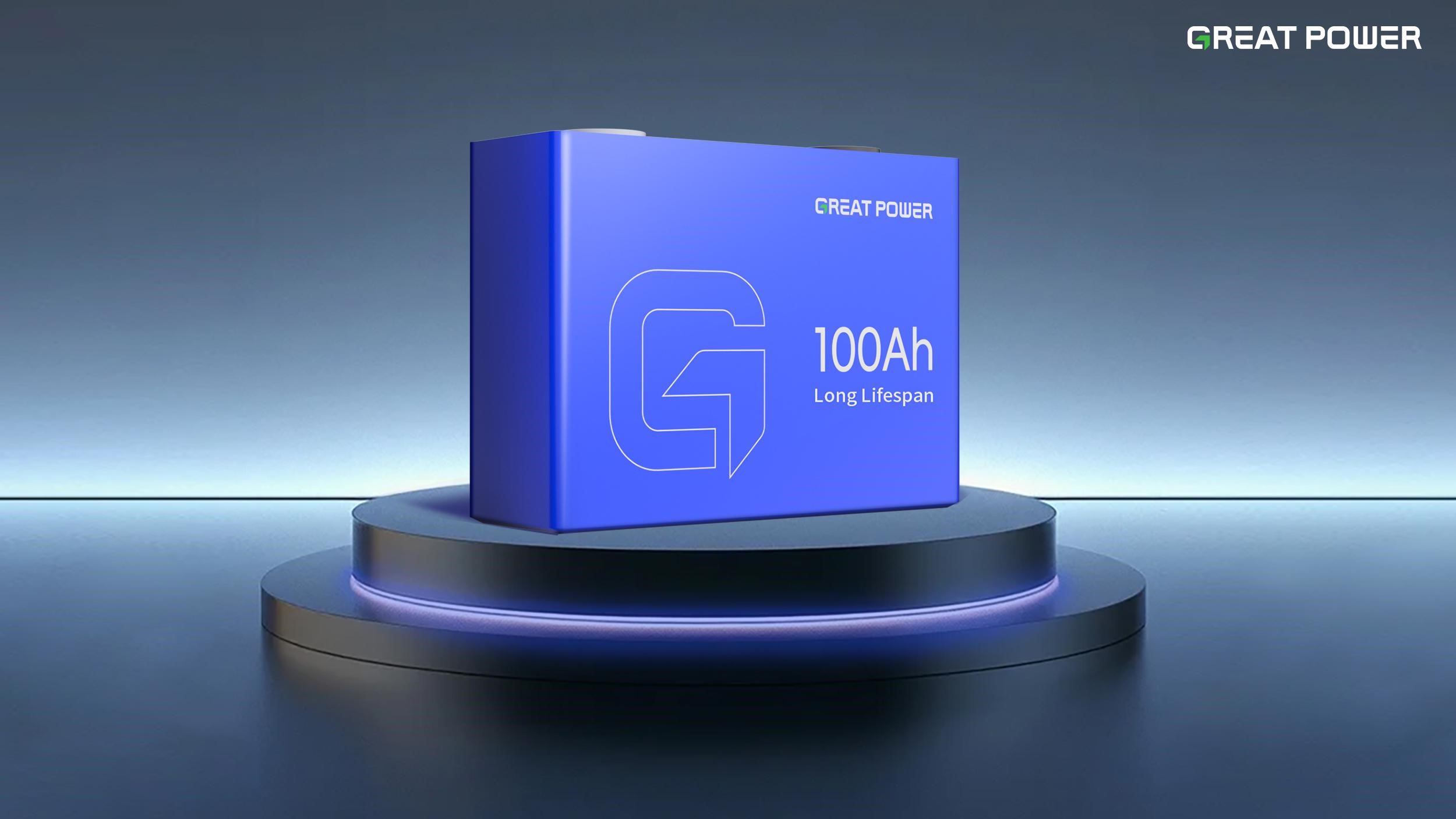 The comparison between solid state batteries and traditional lithium ion batteries has become a key topic in battery technology discussions. Understanding the differences in structure, performance, manufacturing, and application suitability helps customers select the right solution for their energy needs.Traditional Lithium Ion Batteries: A Mature TechnologyConventional liquid-electrolyte lithium-ion batteries use an electrolyte to transport lithium ions between the positive and negative electrodes during charging and discharging. Decades of development have improved their energy efficiency, reliability, and production capabilities, making them one of the most widely adopted rechargeable battery technologies.A custom lithium ion battery allows manufacturers to adjust specifications based on application requirements. Battery capacity, shape, voltage, and discharge performance can be optimized for products ranging from portable electronics to professional equipment.The established manufacturing ecosystem gives lithium ion batteries strong advantages in scalability and cost control. Continuous improvements in materials, battery management systems, and production processes have also enhanced their safety and operating stability.Solid State Batteries: A New Direction in Battery DevelopmentSolid state batteries use solid electrolyte materials instead of the liquid electrolytes found in conventional lithium ion designs. This structural difference changes how lithium ions move inside the battery and creates opportunities for improved performance.The solid electrolyte design may provide advantages in safety and durability because it reduces dependence on liquid components. For applications requiring compact designs and enhanced protection, solid state technology represents an important area of battery innovation.Great Power explores advanced battery technologies to support different market requirements. The development of solid state solutions reflects the industry’s ongoing efforts to improve battery performance and expand future application possibilities.Safety Differences Between Solid State and Lithium Ion BatteriesSafety remains a major consideration when choosing battery technology. Traditional lithium ion batteries have achieved reliable safety performance through advanced materials, protective systems, and strict manufacturing controls.Solid state batteries attract attention because their solid electrolyte structure can reduce certain risks associated with liquid electrolyte systems. This potential has made solid-state batteries an important research direction for reducing certain electrolyte-related safety risks.The actual safety performance of any battery depends on multiple factors, including design quality, production processes, and application conditions. Both technologies continue to improve through ongoing engineering development.Energy Density and Operating Performance ComparisonEnergy density describes how much energy a battery can store relative to its mass or volume. Higher energy density is especially valuable for devices that require longer operation without increasing battery dimensions.Solid state battery technology has gained interest because its structure may support higher energy storage potential. This advantage could benefit applications where space limitations and extended operating time are critical factors.Traditional lithium ion batteries remain highly competitive due to their proven balance between performance, reliability, and manufacturing efficiency. A carefully designed custom lithium ion battery can deliver optimized results for specific products and operating environments.Application Differences Across IndustriesBattery selection depends on the requirements of each application. Consumer electronics, medical devices, industrial tools, and smart equipment may have different expectations regarding size, lifespan, safety, and power output.Traditional lithium ion batteries are widely used because they provide dependable performance and flexible design options. Their mature technology makes them suitable for many commercial products that require rechargeable power solutions.A primary lithium battery serves another category of applications where long storage life and stable energy output are more important than recharge capability. These batteries are often used in specialized equipment that requires reliable power over extended periods.Manufacturing Challenges and Development ConsiderationsBattery production involves complex processes covering material preparation, cell assembly, testing, and quality management. Traditional lithium ion manufacturing benefits from extensive industrial experience and established supply chains.Solid state battery production requires additional research because solid electrolyte materials and manufacturing methods present different technical challenges. Improving consistency, production efficiency, and commercial scalability remains an important focus for the industry.Great Power currently supplies commercial lithium-ion products while continuing research and development of its solid-state battery technology. The company continues developing solutions that align with changing customer expectations and evolving battery technology trends.Selecting the Appropriate Battery TechnologyThe choice between solid state and traditional lithium ion batteries depends on the specific needs of each application. Factors such as power requirements, environmental conditions, product design, and expected service life influence the most suitable option.Businesses requiring customized battery solutions may choose a custom lithium ion battery because it offers design flexibility and proven commercial availability. Tailored battery structures can help achieve the required balance between performance, size, and reliability.Solid state batteries provide promising possibilities for future applications, but traditional lithium ion technology continues to meet the needs of many existing markets. Careful evaluation remains essential when selecting a battery solution.ConclusionSolid state batteries and traditional lithium ion batteries each provide unique advantages for different application requirements. Traditional lithium ion technology offers proven reliability, flexible customization, and established manufacturing capabilities, while solid state designs introduce new possibilities in safety and energy density improvements.The selection of battery technology depends on factors such as product design, operating conditions, performance expectations, and commercial requirements. As battery applications continue to diversify, both technologies will remain important parts of the energy landscape, supporting the development of more efficient and reliable power solutions.