

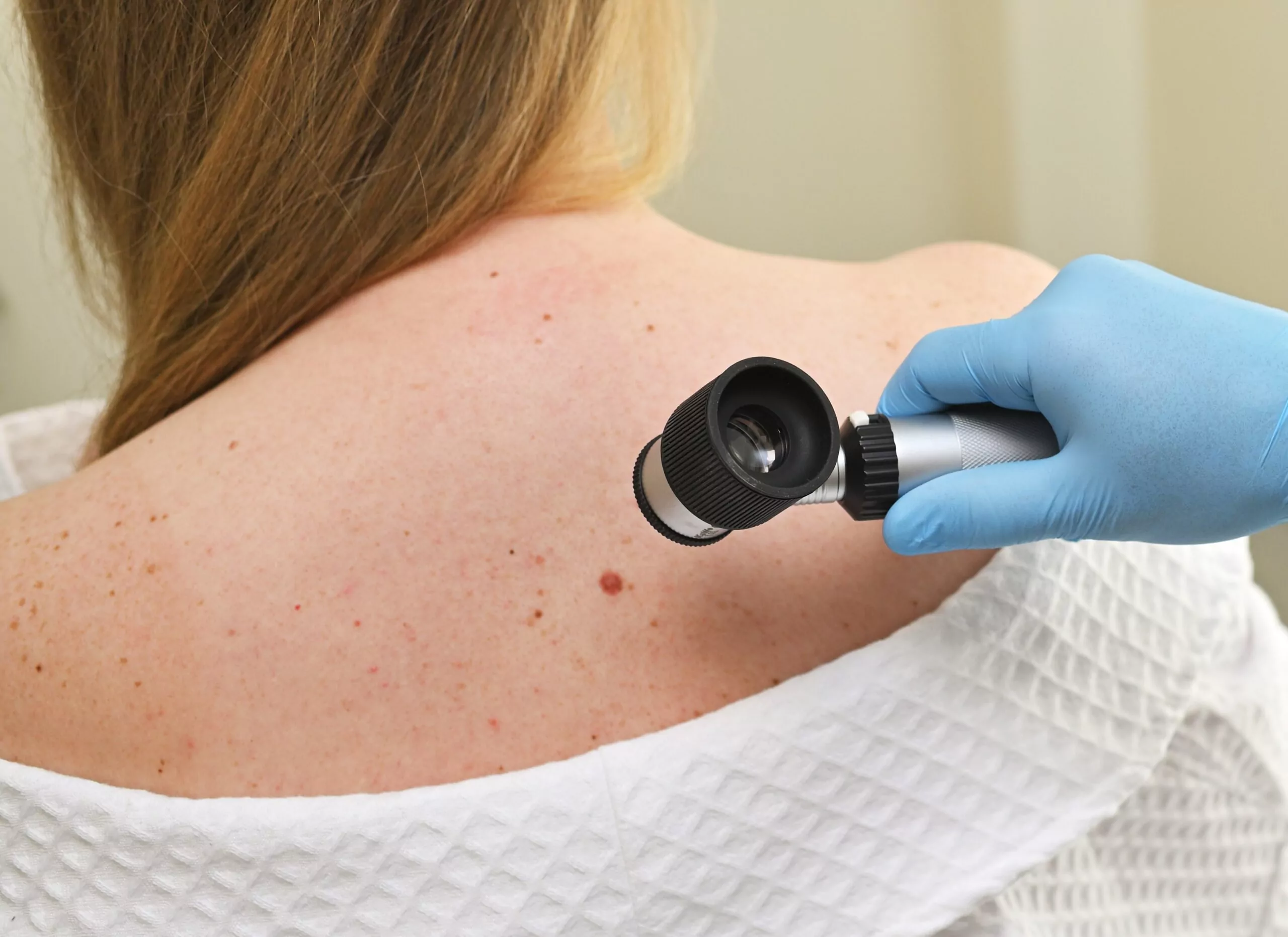
Skin cancer is one of the most common types of cancer worldwide, and its early detection is crucial for effective treatment and long-term outcomes. In many cases, surgical intervention remains the mainstay of treatment, offering the best chance to completely remove cancerous cells while minimizing the risk of recurrence.
Patients in Singapore increasingly seek expert care for safe and effective skin cancer surgery Singapore, combining advanced surgical techniques with personalized treatment plans to ensure both health and cosmetic considerations are carefully addressed.
Early consultation with a qualified surgeon can make a significant difference in recovery and long-term results. For more information on treatment options and expert care, read more here https://nctansurgery.sg/just-a-mole-or-skin-cancer-heres-how-to-tell/.
Why Surgery is Often Recommended
Surgery is often the preferred treatment for skin cancer because it provides the most reliable way to completely remove cancerous cells while preserving healthy tissue. The choice of surgical approach depends on several factors, including the type of skin cancer, its size and location, and the patient’s overall health.
For many patients, timely surgical intervention can prevent the cancer from spreading and significantly improve long-term outcomes. Key reasons why surgery is recommended for skin cancer include:
- Complete removal of cancerous tissue: Surgical excision ensures that the affected cells are entirely removed, reducing the risk of recurrence.
- Accurate diagnosis and staging: Removing the tumor allows pathologists to examine it under a microscope, confirming the type and aggressiveness of the cancer.
- Preservation of healthy tissue: Modern surgical techniques focus on removing cancer while minimizing damage to surrounding skin.
- Prevention of metastasis: Early removal helps prevent cancer from spreading to nearby tissues or lymph nodes.
- Customized treatment: Surgeons can tailor the procedure based on the location, size, and type of tumor to achieve the best possible functional and cosmetic results.
Because skin cancers vary widely, a personalized surgical plan ensures that patients receive safe and effective care while addressing both medical and aesthetic concerns.
Excisional Surgery
Excisional surgery is one of the most common procedures for treating skin cancer. This technique involves removing the tumor along with a small margin of healthy tissue surrounding it to ensure complete removal. It is often recommended for small to medium-sized basal cell carcinoma or squamous cell carcinoma and is usually performed under local anesthesia in a clinic or hospital setting.
Key points about excisional surgery include:
- Complete tumor removal: The surgeon carefully removes the cancerous tissue along with a margin of healthy skin to reduce the risk of recurrence.
- Simple and effective: The procedure is straightforward and often results in a quick recovery with minimal complications.
- Local anesthesia: Most excisions are performed under local anesthesia, allowing patients to remain comfortable and awake during the procedure.
- Histopathological examination: The removed tissue is sent for lab analysis to confirm that the cancer has been fully excised.
- Cosmetic considerations: Depending on the size and location of the tumor, the wound can often be closed with a simple stitch, helping to minimize scarring.
Excisional surgery remains reliable and provides both therapeutic and diagnostic benefits, ensuring cancer is fully removed while guiding future care.
Mohs Micrographic Surgery
Mohs micrographic surgery is a highly precise technique used for certain high-risk or facial skin cancers. During the procedure, the surgeon removes the cancer layer by layer, examining each section under a microscope immediately to ensure all cancerous cells are eliminated while preserving as much healthy tissue as possible.
This approach is especially beneficial for tumors in delicate or cosmetically sensitive areas, such as the face, ears, or hands. Mohs surgery offers a high cure rate and minimizes scarring, making it an ideal choice for patients in Singapore seeking safe and effective skin cancer surgery Singapore
Wide Local Excision and Sentinel Lymph Node Biopsy
Wide local excision is typically used for more aggressive skin cancers, such as melanoma. The procedure involves removing the tumor along with a larger margin of surrounding tissue to ensure all cancer cells are excised. In some cases, a sentinel lymph node biopsy is performed simultaneously to check whether the cancer has spread to nearby lymph nodes.
This helps doctors accurately stage the disease and determine if additional treatment is needed. Both procedures are carefully planned to balance effective cancer removal with the best possible cosmetic and functional outcomes, supporting long-term recovery and overall health.
Reconstructive and Cosmetic Considerations
After skin cancer removal, attention to wound closure and appearance is an important part of treatment. Depending on the size and location of the surgical site, surgeons may use techniques such as local flaps, skin grafts, or layered suturing to promote optimal healing.
These methods help minimize scarring and maintain both function and aesthetic appearance, particularly in visible areas like the face or hands. Careful planning ensures that patients not only have the cancer completely removed but also recover with results that support confidence and comfort in daily life.
Recovery and Follow-Up
Recovery after skin cancer surgery varies depending on the type and extent of the procedure. Most patients experience mild swelling, redness, or tenderness around the surgical site, which typically improves within a few days to weeks. Proper wound care, including keeping the area clean, following dressing instructions, and avoiding strenuous activities, is essential for smooth healing.
Regular follow-up appointments are an important part of ongoing care. These visits allow your surgeon to monitor healing, assess the surgical site, and check for any signs of recurrence. Patients are also advised to perform routine self-examinations and practice sun protection measures, as early detection of any new lesions can make treatment more effective.
#7 Question: How do I Choose the Best Thyroid Surgeon in Singapore?
Selecting the right thyroid surgeon is crucial for a safe and successful procedure. Patients should consider several key factors when making their choice:
- Board certification and credentials: Ensure the surgeon is certified in general surgery or head & neck surgery with specialized training in thyroid procedures.
- Experience and surgical volume: Surgeons who perform thyroid surgeries regularly tend to have lower complication rates and better outcomes.
- Patient reviews and testimonials: Feedback from previous patients can provide insight into the surgeon’s skill, bedside manner, and overall patient experience.
- Consultation approach: A thorough evaluation, clear explanation of options, and willingness to answer questions indicate a surgeon who prioritizes patient care.
- Hospital affiliation: Consider surgeons associated with reputable hospitals that have advanced facilities for thyroid surgery.
Taking the time to research and choose the right surgeon can improve safety, recovery, and long-term results.
Conclusion
Skin cancer surgery offers a safe and effective way to remove cancerous tissue while preserving healthy skin and achieving optimal cosmetic outcomes. Early consultation with an experienced surgeon ensures that treatment is tailored to each individual’s needs, improving both recovery and long-term results. Book a consultation today for professional assessment and tailored thyroid care with our clinic, at:
NC Tan Surgery – Dr Tan Ngian Chye | Thyroid Head & Neck Specialist Singapore
1 Farrer Park Station Rd, #14-02 Connexion, Singapore 217562 | +65 9731 7973
