

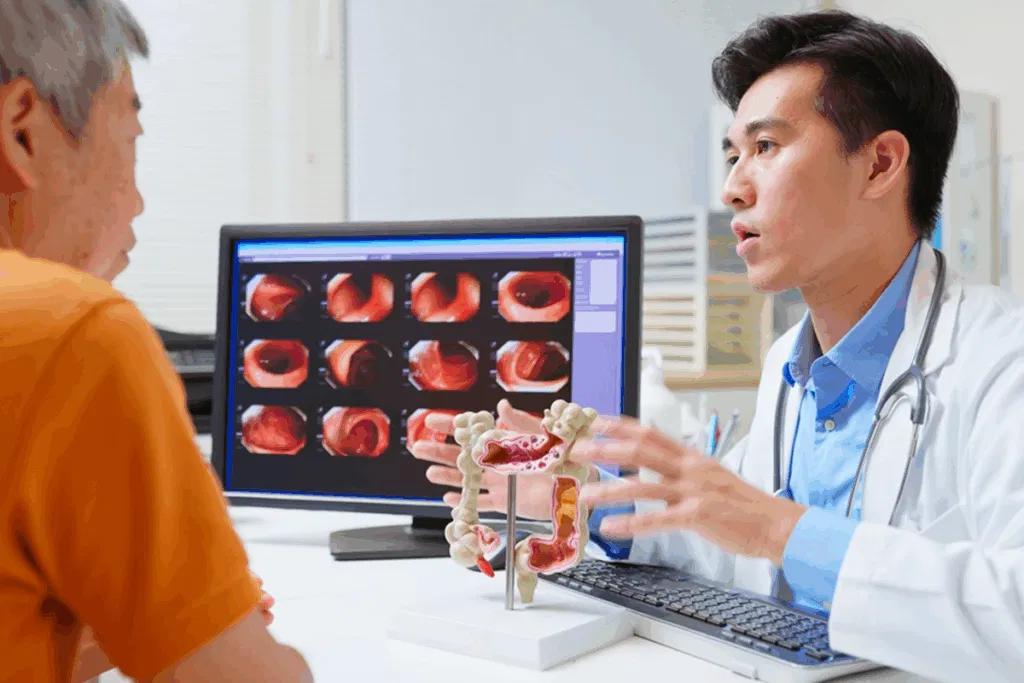
Many people experience digestive symptoms such as bloating, abdominal discomfort, and changes in bowel habits at some point, and these are often attributed to irritable bowel syndrome (IBS). While IBS is a common and generally benign functional condition, similar symptoms can sometimes overlap with more serious conditions, including intestinal inflammation, colorectal polyps, or even early colorectal cancer.
Because symptoms alone are not always reliable in distinguishing between these possibilities, patients are often left uncertain about whether further investigation is needed. This is where a colonoscopy clinic Singapore can play an important role in helping to clarify the diagnosis and rule out more serious causes. If you are experiencing persistent or concerning digestive symptoms, you can read more or learn about the evaluation process here https://andrea-digestive-clinic.com/gi-conditions/.
What IBS Typically Looks Like
Irritable bowel syndrome (IBS) is a functional gastrointestinal disorder, which means the symptoms are real but there is no structural damage or visible disease in the bowel. Patients with IBS commonly experience a combination of abdominal cramping, bloating, excessive gas, and changes in bowel habits such as diarrhoea, constipation, or an alternating pattern of both.
These symptoms are often chronic but tend to fluctuate over time, with periods of worsening triggered by stress, certain foods, or lifestyle factors. Importantly, IBS does not lead to permanent damage to the intestines, and routine blood tests or imaging usually appear normal. This is one of the reasons IBS is often diagnosed based on symptom patterns rather than a single definitive test.
Symptoms That May Suggest Something Beyond IBS
While IBS is common and usually benign, certain symptoms should prompt closer evaluation because they are less typical of a functional condition. These “red flag” features include:
- Rectal bleeding or blood in the stool
- Unexplained weight loss
- Persistent diarrhoea, especially if it occurs at night
- Iron deficiency anaemia without a clear cause
- A strong family history of colorectal cancer
- A progressive or persistent change in bowel habits
When these symptoms are present, it is important not to assume IBS as the only explanation. Further assessment at a colonoscopy clinic Singapore is often recommended to rule out conditions such as inflammation, polyps, or early colorectal cancer.
Why Symptoms Alone Are Not Always Enough To Diagnose IBS
Although IBS is commonly diagnosed based on symptom patterns, relying on symptoms alone can sometimes be misleading. Many gastrointestinal conditions can present in a very similar way, especially in the early stages, making it difficult to distinguish IBS from other diseases without further testing. For example, inflammatory bowel disease may initially cause intermittent abdominal pain and changes in bowel habits that resemble IBS. Similarly, colonic polyps or early colorectal cancer may produce subtle or non-specific symptoms before progressing to more obvious signs.
Because of this overlap, a symptom-based diagnosis should always be made carefully, particularly when red flag features are present or symptoms are persistent. In such situations, additional investigations are often necessary to avoid missing underlying pathology that may require specific treatment.
How A Colonoscopy Helps Clarify The Diagnosis
A colonoscopy is one of the most direct and reliable ways to evaluate the large intestine when symptoms are unclear or concerning. During the procedure, a thin flexible camera is used to examine the lining of the colon in real time, allowing the doctor to identify abnormalities such as inflammation, ulcers, diverticular disease, polyps, or early signs of colorectal cancer. If necessary, small tissue samples (biopsies) can also be taken during the same procedure for further analysis, which helps provide a definitive diagnosis rather than a presumptive one based on symptoms alone.
Compared to blood tests or imaging scans, colonoscopy offers a unique advantage because it allows direct visual confirmation of what is happening inside the bowel. This makes it particularly useful when IBS is suspected but not certain, or when symptoms overlap with other gastrointestinal conditions. For patients seeking clarity, a colonoscopy clinic Singapore provides a structured and comprehensive approach to ruling out serious disease and confirming whether symptoms are truly functional in nature.
What Patients Can Expect During The Procedure
For many patients, the idea of a colonoscopy can feel intimidating, but understanding the process often helps reduce anxiety. Preparation usually begins one day before the procedure and involves a special bowel cleansing solution to ensure the colon is completely clear for examination. Patients are typically advised to follow a clear liquid diet during this period. A well-prepared bowel is essential for an accurate and thorough examination.
On the day of the procedure, sedation is commonly given so that patients are comfortable and do not feel pain during the colonoscopy. The procedure itself is performed using a flexible camera inserted through the rectum, and it usually takes around 20 to 45 minutes depending on findings. Most patients have little to no memory of the procedure due to sedation. Afterward, mild bloating or drowsiness may occur, but these effects generally resolve within a few hours.
When You Should Consider Seeing A Specialist
While occasional digestive discomfort may not be a cause for concern, certain patterns of symptoms should prompt further medical evaluation. You should consider seeing a specialist if you experience:
- Persistent abdominal pain that does not improve over time
- Ongoing changes in bowel habits (diarrhoea, constipation, or alternating patterns)
- Any red flag symptoms such as blood in the stool or unexplained weight loss
- Symptoms that are affecting your daily activities or quality of life
- Ongoing anxiety or uncertainty about what is causing your symptoms
A consultation at a colonoscopy clinic Singapore is particularly useful when symptoms are unexplained, persistent, or not responding to initial treatment. Early evaluation helps ensure that any underlying condition is identified sooner, allowing for timely management and appropriate reassurance when serious disease is excluded.
Conclusion
IBS and more serious gastrointestinal conditions can often present with very similar symptoms, which makes it difficult to rely on symptoms alone for a clear diagnosis. While IBS is common and usually benign, persistent or concerning features should not be overlooked, especially when red flag symptoms are present or when symptoms do not improve with initial management.
Uncertainty about digestive symptoms can be addressed through a consultation with us to review your condition and plan next steps. Details and enquiry information below:
Andrea’s Digestive Clinic: Colon | Liver | Gallbladder | GERD | Acid Reflux Specialist
Royal Square at Novena and Royal Square Medical Centre
101 Irrawaddy Rd, #21-11/12 Royal Square Medical Centre, Singapore 329565
Phone: +65 6264 2836
