

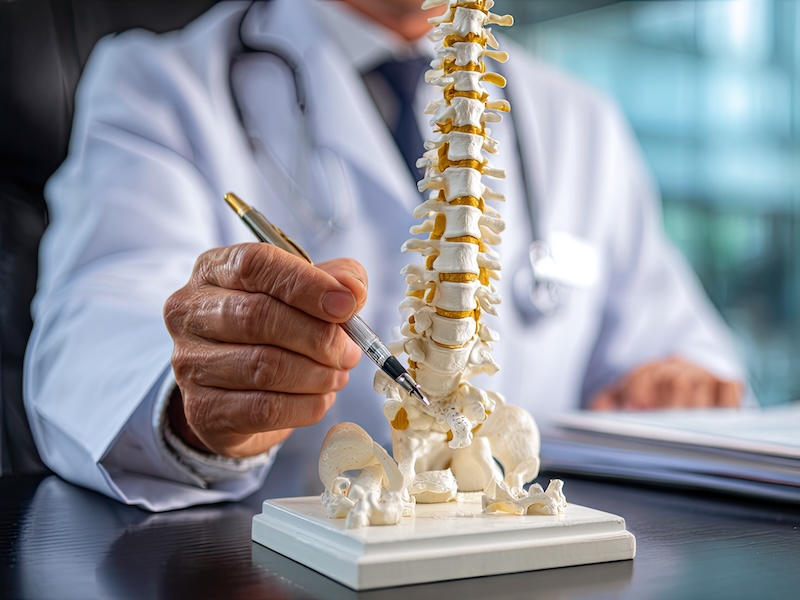
Scoliosis, a condition characterized by a lateral curvature of the spine, can affect individuals of all ages, from children and teens to adults. In Singapore, it is estimated that a significant number of adolescents experience mild to moderate scoliosis, while adults may develop spinal curvature due to degeneration or other underlying conditions. Left untreated, scoliosis can impact posture, cause discomfort, reduce mobility, and interfere with daily activities.
Fortunately, modern medical advancements now allow for minimally invasive treatment options that can correct or manage spinal curvature with less pain and faster recovery. Consulting an experienced orthopaedic surgeon in Singapore can help you understand the most suitable treatment approach for your condition.
Why Scoliosis Needs Medical Attention
Scoliosis is more than a cosmetic concern; it can have significant implications for musculoskeletal health and overall well-being. Early signs often include uneven shoulders, a tilted pelvis, or a noticeable curve in the spine, but some cases may remain subtle until the curvature progresses.
Beyond visible changes, scoliosis can lead to chronic back pain, muscle imbalances, and fatigue, particularly during prolonged standing or physical activity. In severe or untreated cases, the abnormal spinal alignment may contribute to degeneration of intervertebral discs, reduced flexibility, and even compromised lung function due to thoracic compression.
This is why assessment by a qualified orthopaedic surgeon is critical. They can evaluate the curvature using physical examinations, X-rays, and advanced imaging techniques, determine whether the scoliosis is structural or functional, and recommend a tailored management plan based on age, severity, and growth potential.
What Is Minimally Invasive Scoliosis Surgery?
Minimally invasive scoliosis surgery (MISS) is a modern approach designed to correct spinal curvature with reduced disruption to muscles and surrounding tissues compared to traditional open surgery. This technique offers patients faster recovery times, smaller scars, and less post-operative pain.
An orthopaedic surgeon uses specialized tools and imaging guidance to achieve precise correction while minimizing surgical trauma. Key aspects of minimally invasive scoliosis surgery include:
- Smaller incisions – Only a few small cuts are made, reducing visible scarring and tissue damage.
- Muscle-sparing techniques – Unlike traditional surgery, muscles around the spine are gently retracted rather than extensively cut.
- Advanced imaging guidance – Intraoperative X-rays or navigation systems ensure accurate placement of screws and rods.
- Shorter hospital stays – Many patients can return home sooner and begin rehabilitation earlier.
- Faster recovery – Reduced pain and trauma allow patients to resume daily activities and physiotherapy more quickly.
Minimally invasive techniques are particularly beneficial for children and adolescents whose spines are still growing, as well as adults seeking correction with less impact on overall mobility.
Types of Minimally Invasive Treatments
Minimally invasive scoliosis treatments encompass a range of surgical and non-surgical approaches, allowing an orthopaedic surgeon to tailor care based on the patient’s age, spinal curvature, and overall health. Some of the most common minimally invasive options include:
- Endoscopic Spinal Surgery – Uses a small camera and instruments inserted through tiny incisions to correct spinal curvature while minimizing muscle and tissue damage.
- Percutaneous Spinal Fusion – Involves fusing select vertebrae using small incisions and specialized screws or rods to stabilize the spine and prevent further progression.
- Vertebral Body Tethering (VBT) – A newer technique primarily for growing children and adolescents, where a flexible cord is attached to the spine to gradually correct the curve while allowing continued growth.
- Minimally Invasive Osteotomies – Targeted bone cuts made through small incisions to realign severely curved sections of the spine.
- Non-Surgical Interventions – Includes custom bracing, physiotherapy, and targeted exercise programs to manage mild scoliosis, improve posture, and reduce discomfort.
By offering a spectrum of options, an orthopaedic surgeon can select the most appropriate treatment that balances curve correction with a faster recovery, reduced pain, and minimal impact on daily life.
Recovery and Post-Treatment Care
Recovery after minimally invasive scoliosis treatment is generally faster and less painful compared to traditional surgery, but it still requires careful guidance and structured rehabilitation. Following the procedure, many patients can be discharged within a few days, with pain managed through medications and proper wound care. Physiotherapy plays a crucial role in strengthening the core muscles, improving flexibility, and supporting spinal alignment. Patients are typically advised to gradually resume daily activities while avoiding heavy lifting or high-impact sports until cleared by their orthopaedic surgeon.
Regular follow-up appointments, including X-rays or imaging, help ensure that the spinal correction is stable and progressing as expected. Proper attention to post-operative care, pain management, and gentle movement can significantly enhance long-term spinal health, mobility, and overall quality of life.
Choosing the Right Orthopaedic Surgeon in Singapore
Selecting the right orthopaedic surgeon in Singapore is a critical step for anyone considering minimally invasive scoliosis treatment. Expertise in spinal conditions, specialized training in scoliosis management, and experience with advanced surgical techniques can greatly influence both treatment outcomes and recovery.
Patients should look for surgeons who conduct thorough evaluations, including detailed physical examinations and advanced imaging, to develop a personalized treatment plan tailored to the severity of the curvature and the patient’s overall health. The reputation of the clinic, the availability of modern surgical facilities, and the surgeon’s track record in managing similar cases are also important considerations.
Conclusion
Minimally invasive scoliosis treatments offer an effective way to manage spinal curvature while reducing pain and recovery time. With the right care and monitoring, patients can maintain mobility, improve posture, and enjoy a better quality of life. If you are considering scoliosis treatment or would like to discuss your options, schedule a consultation with our clinic at:
Ray of Health
1 Orchard Blvd, Singapore 248649
Phone: 6235 8781
